Ultimate Home Maintenance Checklist for Every Season

Introduction
Your home is probably the most valuable thing you own. Keeping it in top condition is not just smart — it is essential.
Most homeowners only think about repairs when something breaks. By then, the damage is done, and the bill is often much larger than it needed to be. A small roof leak ignored in spring can turn into a full ceiling replacement by fall. A clogged dryer vent that goes unchecked becomes a fire hazard before winter ends.
Seasonal home maintenance changes that pattern completely.
When you follow a structured home maintenance checklist, you stay ahead of problems before they escalate. You protect your family’s safety. You reduce energy bills. You maintain and even increase your property value. And you avoid the panic and cost of emergency repairs.
This guide gives you a complete, season-by-season home maintenance schedule that covers every area of your home — roof to foundation, inside and out. Whether you are a first-time homeowner or have owned property for decades, this resource will help you build a routine that works.
What Is Home Maintenance?
Home maintenance is the ongoing practice of inspecting, cleaning, servicing, and repairing the systems and structures of your home to keep everything functioning safely and efficiently.
It covers both interior and exterior home maintenance — from your HVAC system and plumbing to your roof, gutters, foundation, and landscaping.
Think of it the same way you think about maintaining a car. You do not wait for the engine to fail before changing the oil. Routine home maintenance follows the same logic.
A good house maintenance guide separates tasks into daily, monthly, seasonal, and annual categories. That way, nothing gets overlooked, and you always know what to tackle next.
Why Regular Home Maintenance Is Important
Neglecting your home has real financial consequences. According to the National Association of Home Builders, deferred maintenance is one of the top reasons homes lose value over time.
Here is why staying consistent matters:
- Safety: Faulty wiring, gas leaks, and structural issues become serious hazards when left unaddressed.
- Cost control: Small repairs cost far less than large ones. Replacing a single shingle costs almost nothing. Replacing a full roof after water damage costs thousands.
- Energy efficiency: Sealing drafts, replacing HVAC filters, and maintaining your water heater reduces monthly utility bills significantly.
- Property value: A well-maintained home appraises higher and sells faster.
- Peace of mind: You live more comfortably knowing your home is in good shape.
The U.S. Department of Energy estimates that proper home maintenance, including air sealing and insulation, can reduce heating and cooling costs by up to 20%.
Benefits of Preventive Home Maintenance
Preventive home maintenance means taking action before a problem develops. It is the most cost-effective approach to home care.
Key benefits include:
- Extends the lifespan of major systems like your HVAC, water heater, and roof
- Reduces the likelihood of emergency repairs
- Keeps your home safer for your family
- Lowers insurance claim risk, which can help reduce premiums
- Makes home inspections smoother when you decide to sell
Most experts recommend budgeting 1% to 3% of your home’s value each year for maintenance and repairs. If your home is worth $350,000, plan to spend $3,500 to $10,500 annually on upkeep. That number sounds significant, but it is far less than the cost of major system failures.
Complete Spring Home Maintenance Checklist
Spring is the ideal time to assess any damage that winter weather caused and prepare your home for warmer months.
Exterior Spring Tasks
- Roof inspection: Check for cracked, missing, or curling shingles after winter storms. Look for damaged flashing around chimneys and vents.
- Gutter cleaning: Remove leaves, twigs, and debris from gutters and downspouts. Ensure water flows freely away from your foundation.
- Foundation inspection: Walk the perimeter of your home and look for cracks, settling, or water pooling near the base. Catching early signs can prevent costly structural repairs.
- Driveway and walkways: Fill cracks in concrete or asphalt before they widen from freeze-thaw cycles.
- Window and door inspection: Check caulking around windows. Re-caulk any cracked or missing areas to prevent water infiltration.
- Deck and patio check: Inspect wood for rot, loose boards, and protruding nails. Clean and reseal if needed.
- Lawn and landscaping: Trim trees and shrubs away from your home’s exterior. Overhanging branches can damage roofing and siding.
Interior Spring Tasks
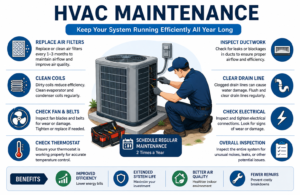
- HVAC maintenance: Schedule a professional HVAC tune-up before cooling season begins. Replace your air filter.
- Test smoke detectors and carbon monoxide detectors: Replace batteries and test every unit in the home.
- Dryer vent cleaning: Clear lint buildup from the dryer vent line. Blocked vents are a leading cause of residential fires.
- Check plumbing: Inspect under sinks for leaks. Test outdoor faucets for winter freeze damage.
- Clean refrigerator coils: Dirty coils make your refrigerator work harder and use more energy.
Complete Summer Home Maintenance Checklist
Summer maintenance focuses on keeping your cooling systems running efficiently and protecting your home from heat and storm damage.
Exterior Summer Tasks
- Inspect and clean window AC units: Clean filters and check that seals are tight.
- Check exterior paint: Look for peeling or blistering paint on siding, trim, and fences. Touch up promptly to prevent moisture damage.
- Pressure wash exterior surfaces: Use a pressure washer to clean siding, decks, driveways, and patios. This removes mold, mildew, and grime before they cause damage.
- Inspect and repair fencing: Check for loose posts, damaged boards, or rust on metal fencing.
- Check irrigation systems: Test sprinklers for proper coverage. Fix leaks or misaligned heads to conserve water.
- Inspect the roof after storms: Summer storms can cause unexpected damage. Check after major weather events.
Interior Summer Tasks
- Deep clean ceiling fans: Dust buildup reduces efficiency and air circulation.
- Test ground fault circuit interrupter (GFCI) outlets: These are critical in bathrooms, kitchens, and garages. Press the test and reset buttons to confirm they work.
- Check attic ventilation: Poor attic airflow traps heat and can damage roofing materials and increase cooling costs.
- Inspect window seals: Summer heat reveals cracks in caulking and glazing around windows. Re-seal as needed.
- Service your water heater: Flush sediment from the tank annually to maintain efficiency and extend its lifespan.
Complete Fall Home Maintenance Checklist
Fall is your last opportunity to prepare your home before cold weather arrives. This season’s checklist is one of the most important in your entire home maintenance calendar.
Exterior Fall Tasks
- Chimney inspection: Have your chimney inspected and cleaned by a certified professional before you light the first fire of the season.
- Clean gutters again: Fall leaves fill gutters quickly. Clean them in late fall after most leaves have fallen.
- Weatherproof doors and windows: Check and replace door weather stripping and window caulking to prevent drafts and heat loss.
- Drain outdoor water lines: Shut off exterior faucets and drain garden hoses to prevent freezing and pipe bursts.
- Check roof before winter: Look for loose shingles, damaged flashing, and any areas that could allow water infiltration.
- Seal gaps and cracks: Use caulk or foam sealant to fill gaps around pipes, vents, and electrical conduits where they enter the house.
- Grade soil away from foundation: Make sure the ground slopes away from your home to direct water runoff away from the basement.
Interior Fall Tasks
- Reverse ceiling fans: Set fans to rotate clockwise at low speed to push warm air down from the ceiling.
- Schedule HVAC service: Have your heating system inspected and serviced before the first cold snap. Replace filters.
- Check insulation: Inspect attic insulation levels. Adding insulation is one of the highest-return improvements for energy efficiency.
- Test all detectors: Check smoke detectors and carbon monoxide detectors and replace batteries.
- Inspect the fireplace: Clean the firebox, check the damper, and make sure the flue is clear.
Complete Winter Home Maintenance Checklist
Winter maintenance is about protection and safety. Your goal is to prevent frozen pipes, heating failures, and dangerous conditions.
Exterior Winter Tasks
- Remove snow and ice from roof: Heavy snow accumulation causes structural stress. Use a roof rake to clear buildup from the ground.
- Prevent ice dams: Ensure proper attic insulation and ventilation to stop heat from escaping through the roof and creating ice dams along the eaves.
- Inspect weatherstripping regularly: Check that door seals remain intact throughout the cold months.
- Keep gutters clear of ice: Install heat cables in gutters prone to freezing if ice dams are a recurring issue in your area.
Interior Winter Tasks
- Know where your main water shutoff is: In case a pipe bursts, you must be able to act fast.
- Keep cabinet doors open in extreme cold: This allows warm air to reach pipes under sinks on exterior walls.
- Check heating system monthly: Replace HVAC filters as needed and monitor for unusual sounds or smells.
- Test smoke and CO detectors again: Heating system use increases carbon monoxide risk during winter.
- Inspect electrical system: Look for overloaded extension cords or outlets from holiday lighting.
- Stock an emergency kit: Keep flashlights, batteries, blankets, first aid supplies, and non-perishable food accessible in case of severe weather.
Monthly Home Maintenance Checklist
Some tasks need attention every month, regardless of season.
| Task | Frequency | Notes |
|---|---|---|
| Replace or check HVAC filter | Monthly | Every 1–3 months depending on filter type |
| Test smoke detectors | Monthly | Press test button on each unit |
| Test carbon monoxide detectors | Monthly | Critical if you have gas appliances |
| Check for plumbing leaks | Monthly | Under sinks, toilets, and near water heater |
| Clean garbage disposal | Monthly | Use ice cubes and salt or a cleaner |
| Check fire extinguisher pressure | Monthly | Ensure gauge is in the green zone |
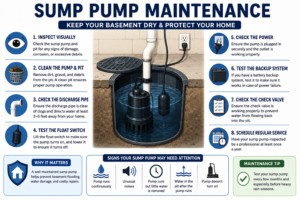
| Inspect sump pump | Monthly | Pour water in pit to test operation |
| Flush rarely used drains | Monthly | Prevents sewer gas from entering home |
Annual Home Maintenance Checklist
Some tasks only need to happen once a year, but they are critical.
| Task | Best Time | Professional Needed? |
|---|---|---|
| Professional HVAC service | Spring and Fall | Yes |
| Roof inspection | Spring or Fall | DIY or Professional |
| Chimney cleaning and inspection | Fall | Yes |
| Dryer vent cleaning | Fall | DIY or Professional |
| Water heater flush | Spring | DIY |
| Foundation inspection | Spring | DIY with Pro Follow-up |
| Electrical safety inspection | Any | Yes |
| Full gutter cleaning | Spring and Fall | DIY |
| Exterior caulking and sealing | Spring | DIY |
| Pest inspection | Spring | Yes |
Home Maintenance Calendar
| Month | Key Tasks |
|---|---|
| January | Check heating system, inspect insulation, stock emergency supplies |
| February | Test all detectors, check for ice dams, inspect weatherstripping |
| March | Begin spring checklist, inspect roof and gutters, HVAC filter |
| April | Schedule HVAC tune-up, check foundation, clean dryer vent |
| May | Pressure wash exterior, inspect deck, test irrigation |
| June | Check AC performance, inspect window seals, clean ceiling fans |
| July | Inspect after storms, check GFCI outlets, attic ventilation |
| August | Service water heater, exterior paint touch-up, check fencing |
| September | Begin fall checklist, chimney inspection, drain outdoor lines |
| October | Clean gutters, seal gaps, weatherstrip doors and windows |
| November | Reverse ceiling fans, HVAC service, check attic insulation |
| December | Monitor heating system, test detectors, prepare emergency kit |
Essential Home Maintenance Tools
Having the right tools makes home maintenance faster, safer, and more effective.
| Tool | Primary Use | Estimated Cost |
|---|---|---|
| Pressure washer | Cleaning siding, decks, driveways | $150 – $400 |
| Caulking gun | Window sealing, crack repair | $10 – $30 |
| Roof rake | Snow removal from roof | $40 – $80 |
| HVAC filter wrench | Easy filter replacement | $10 – $20 |
| Stud finder | Hanging fixtures, locating framing | $20 – $50 |
| Multimeter | Electrical testing | $25 – $60 |
| Wet/dry vacuum | Water cleanup, debris removal | $50 – $150 |
| Inspection mirror | Checking hard-to-see areas | $10 – $20 |
| Ladder (6-ft and 12-ft) | Roof, gutter, and attic access | $80 – $200 |
| Moisture meter | Detecting leaks and dampness | $20 – $60 |
DIY vs Professional Home Maintenance
Knowing which tasks you can handle and which require a licensed professional protects both your safety and your wallet.
| Task | DIY Appropriate | Professional Recommended |
|---|---|---|
| HVAC filter replacement | Yes | No |
| Gutter cleaning (single story) | Yes | Optional |
| Roof inspection (ground level) | Yes | For climbing |
| Chimney cleaning | No | Yes |
| Electrical panel inspection | No | Yes |
| Water heater flush | Yes | Optional |
| Plumbing repairs (minor) | Yes | For major leaks |
| Foundation crack assessment | DIY for monitoring | Yes for repair |
| Dryer vent cleaning | Yes | Optional |
| Pest inspection | No | Yes |
DIY home maintenance saves money on labor but requires the right tools, knowledge, and safety precautions. Never attempt electrical work, roof repairs, or gas line work without proper training or licensing.
Common Home Maintenance Mistakes
Even well-intentioned homeowners make maintenance mistakes. Here are the most common ones and how to avoid them.
1. Ignoring small leaks.
A dripping faucet or small roof leak may seem minor. But water damage compounds quickly and can lead to mold, rot, and structural damage.
2. Skipping HVAC filter changes.
Dirty filters restrict airflow, reduce efficiency, and cause premature system failure. Check filters monthly and replace every 1–3 months depending on type.
3. Neglecting the gutters.
Clogged gutters direct water toward your foundation and siding. Clean them at least twice per year — spring and fall.
4. Not testing safety devices.
Many homeowners test smoke detectors and carbon monoxide detectors only when they beep for a battery change. Test them monthly.
5. Delaying chimney inspections.
The National Fire Protection Association recommends annual chimney inspections. Creosote buildup is a serious fire risk.
6. Forgetting to seal air gaps.
Gaps around pipes, outlets, and doors drive up energy costs and allow pests to enter. Caulking windows and sealing gaps is inexpensive and highly effective.
Money-Saving Home Maintenance Tips
Maintaining your home does not have to drain your bank account. Smart habits keep costs low.
- Buy supplies in bulk: Stock up on HVAC filters, caulk, and batteries during sales.
- Schedule professional services in the off-season: HVAC tune-ups cost less in spring and fall when demand is lower.
- Learn basic DIY skills: YouTube tutorials and free classes at hardware stores can teach you to handle minor plumbing and carpentry tasks.
- Use programmable thermostats: The U.S. Department of Energy says programmable thermostats can save homeowners up to $180 per year on heating and cooling.
- Insulate your water heater: An insulation blanket for an older water heater can reduce standby heat loss by 25–45%.
- Fix drafts quickly: Sealing one square inch of air gap eliminates the equivalent heat loss of leaving a window open all winter.
Home Safety Tips Every Homeowner Should Know
Home maintenance is closely tied to home safety. These practices should be non-negotiable.
- Install at least one smoke detector on every floor and inside every sleeping area.
- Place a carbon monoxide detector near sleeping areas if you have gas appliances, a furnace, or an attached garage.
- Keep a working fire extinguisher in the kitchen and check its pressure monthly.
- Test all GFCI outlets in bathrooms, kitchens, garages, and outdoor areas quarterly.
- Know the location of your main water shutoff, gas shutoff, and electrical panel.
- According to FEMA, working smoke alarms reduce the risk of dying in a home fire by more than 50%.
- Store flammable materials away from water heaters, furnaces, and electrical panels.
- Have your home tested for radon if you have a basement. The EPA recommends testing every two years.
Signs Your Home Needs Immediate Repairs
Some warning signs should never be ignored. Act quickly if you notice any of the following.
Structural concerns:
- Large cracks in the foundation or walls, especially horizontal or stair-step patterns
- Sagging floors, ceilings, or roof lines
- Doors and windows that suddenly stick or will not close properly
Water damage:
- Water stains on ceilings or walls
- Musty odors in the basement or crawlspace
- Bubbling, peeling, or warping paint or drywall
Electrical and mechanical issues:
- Flickering lights or frequently tripping breakers
- Burning smell from outlets, fixtures, or the electrical panel
- Furnace or AC making loud or unusual sounds
Plumbing problems:
- Reduced water pressure throughout the home
- Discolored water from faucets
- Slow drains throughout the house (not just one fixture)
If you notice any of these signs, stop delaying and get a professional assessment immediately.
When You Should Hire a Professional
DIY home maintenance has real limits. Here are situations where professional expertise is not optional.
- Roof replacement or major repairs: Working at height without proper training and equipment is dangerous.
- Electrical panel work: Any work involving your breaker box, service entrance, or wiring requires a licensed electrician.
- Gas line repairs: Gas work must be handled by a licensed plumber or gas technician.
- Structural repairs: Foundation issues, load-bearing wall modifications, and beam replacements need a structural engineer.
- Mold remediation: Large mold infestations (more than 10 square feet per the EPA) require professional removal.
- Chimney repairs: Damaged flue liners or cracked masonry are safety hazards that require a certified chimney sweep.
When hiring professionals, always verify licensing, insurance, and reviews. Get at least three quotes for major projects.
Maintenance Cost Comparison
| Repair Type | Preventive Cost | Reactive (Emergency) Cost |
|---|---|---|
| Roof leak repair | $200 – $500 | $2,000 – $10,000+ |
| HVAC service | $100 – $200 | $500 – $4,000 (replacement) |
| Gutter cleaning | $100 – $250 | $1,500 – $5,000 (foundation repair) |
| Pipe maintenance | $50 – $150 | $1,000 – $15,000 (burst pipe) |
| Chimney cleaning | $150 – $300 | $3,000+ (fire damage) |
| Water heater flush | $50 – $100 | $800 – $1,500 (replacement) |
The numbers speak for themselves. Preventive home maintenance is always the smarter financial choice.
Expert Recommendations
After 15 years in home improvement and inspection, here is what I consistently recommend to every homeowner.
Build a home maintenance binder. Keep records of every repair, service, and inspection. Include dates, contractor names, and receipts. This documentation is valuable when selling your home and helps you track warranty coverage.
Do a walkaround every season. Spend 30 minutes walking inside and outside your home at the start of each season. You will catch problems early before they require serious intervention.
Do not ignore the attic. Most homeowners never go up there. But the attic reveals roof leaks, pest activity, insulation gaps, and ventilation problems before they cause damage you can see from inside the living space.
Maintain a maintenance fund. Keep a dedicated savings account for home repairs. Even $100 per month builds a buffer that prevents financial stress when repairs arise unexpectedly.
Seasonal home maintenance is not optional. It is the most consistent action you can take to protect your investment, your family, and your peace of mind.
Frequently Asked Questions
1. How often should I replace my HVAC filter?
HVAC filter replacement frequency depends on filter type and household conditions. Basic 1-inch filters typically need replacement every 30 days. Higher-quality pleated filters can last 60 to 90 days. Homes with pets, allergies, or heavy dust may need more frequent changes. Always check the manufacturer’s recommendation on the filter packaging. A clogged filter reduces airflow, puts strain on the system, and lowers indoor air quality. Making this a monthly habit during your routine home maintenance walkthrough ensures your HVAC system runs efficiently all year long.
2. What is the most important home maintenance task I should never skip?
If I had to choose one, it would be testing your smoke detectors and carbon monoxide detectors every month. These devices are your first line of defense against two of the most deadly home hazards. Beyond safety devices, gutter cleaning ranks very high because blocked gutters affect roofing, siding, and your foundation simultaneously. If water cannot drain properly away from your home, you risk water intrusion in multiple systems at once. Both tasks are inexpensive, quick, and enormously impactful for your home’s safety and structural health.
3. How can I tell if my home has foundation problems?
Early signs of foundation issues include doors and windows that suddenly stick or no longer close properly, diagonal cracks near the corners of door frames, horizontal or stair-step cracks in the foundation walls, and uneven or sloping floors. Minor hairline cracks in poured concrete foundations are often normal settling. However, cracks wider than one-quarter inch, or cracks that are growing over time, warrant a professional evaluation. Keeping soil graded away from your foundation and maintaining gutters reduces water pressure that commonly leads to foundation movement.
4. When should I schedule a chimney inspection?
The best time for a chimney inspection is in the fall, before you begin using the fireplace for the heating season. The National Fire Protection Association recommends that chimneys, fireplaces, and vents be inspected at least once per year. A professional chimney sweep will check for creosote buildup, blockages from bird nests or debris, cracked flue tiles, and damaged mortar joints. Even if you use your fireplace infrequently, gas fireplaces and furnace flues require the same level of attention. Regular inspections protect your home from chimney fires and dangerous carbon monoxide intrusion.
5. Is it worth hiring a professional for a home inspection, or can I do it myself?
A DIY home inspection walkthrough is a valuable habit and is something every homeowner should do regularly. However, a certified home inspector brings trained eyes, specialized tools, and professional liability that most homeowners cannot replicate. Professional inspections are particularly important before buying a home, after a major storm, or when you suspect structural or systemic issues. For routine monitoring, a DIY approach using a structured checklist works well. Think of your own inspections as ongoing monitoring and the professional inspection as a thorough diagnostic evaluation performed less frequently but with greater depth.
6. How do I prevent frozen pipes during winter?
Start by insulating exposed pipes in unheated areas like the garage, crawlspace, and exterior walls. Use pipe insulation sleeves, which are inexpensive and easy to install. Disconnect and drain garden hoses before the first freeze, and shut off exterior faucets from inside the home. During extreme cold snaps, allow a thin trickle of water to run from faucets on exterior walls. Keep cabinet doors open under kitchen and bathroom sinks to allow warm air to reach the pipes. If you plan to travel, never set your thermostat below 55 degrees Fahrenheit to prevent freezing throughout the house.
7. How much should I budget annually for home maintenance?
The most widely accepted guideline is to budget 1% to 3% of your home’s purchase price annually for maintenance and repairs. If your home cost $300,000, expect to spend $3,000 to $9,000 per year on upkeep. Older homes typically fall on the higher end of that range. Some financial advisors use the square footage rule instead, suggesting $1 per square foot per year. The reality is that maintenance costs vary widely depending on your home’s age, condition, location, and systems. Building a dedicated maintenance savings fund helps you avoid financial stress when repairs arise unexpectedly.
8. What maintenance tasks are most important after a major storm?
After any severe storm, begin with a safe exterior inspection from the ground. Look for missing or damaged roof shingles, damaged gutters or downspouts, fallen branches touching the roof or siding, and cracks or new stains on exterior walls. Inspect your basement or crawlspace for water intrusion. Check your sump pump operation. Inside the home, look at ceilings for new water stains. Check that all windows and doors still seal properly. If you lost power, reset GFCI outlets and test appliances. For significant storm damage, contact your homeowner’s insurance provider and a licensed contractor before beginning major repairs.
9. What is the best way to improve energy efficiency through home maintenance?
Start with the areas that cause the greatest energy loss. Air sealing is the single most effective improvement — use caulk around windows, foam sealant around pipes and vents, and weatherstripping on all exterior doors. Adding attic insulation to recommended levels for your climate zone has a high return on investment. Replacing HVAC filters regularly keeps your system running efficiently. Upgrading to a programmable or smart thermostat helps optimize heating and cooling schedules. Flushing your water heater annually prevents sediment buildup that reduces efficiency. Together, these maintenance steps can meaningfully reduce your monthly utility costs year over year.
10. How do I create a home maintenance schedule that I will actually stick to?
The key is simplicity and structure. Start by dividing your tasks into monthly, seasonal, and annual categories. Use a printed calendar or a smartphone app to set recurring reminders for key tasks like filter changes, detector tests, and gutter cleaning. Build a home maintenance binder or digital folder where you log every completed task along with the date and any notes. Pair routine tasks with things you already do — for example, check your fire extinguisher on the first day of every month when you pay bills. When maintenance becomes a habit rather than a chore, you are far more likely to stay consistent throughout the year.
Final Conclusion
A well-maintained home is a safe, comfortable, and financially sound investment. The work you put into seasonal home maintenance today will save you significantly more in emergency repairs tomorrow.
This ultimate home maintenance checklist gives you a complete road map — from the first thaw of spring to the deepest cold of winter. By following a structured home maintenance schedule, testing safety systems regularly, addressing small issues before they grow, and knowing when to call a professional, you take full control of your home’s health.
You do not have to do everything at once. Start with the current season’s checklist. Add tasks to your calendar. Build the habit month by month. Over time, routine home maintenance becomes second nature, and your home reflects the care you put into it.
Your home takes care of your family. Take care of your home.