
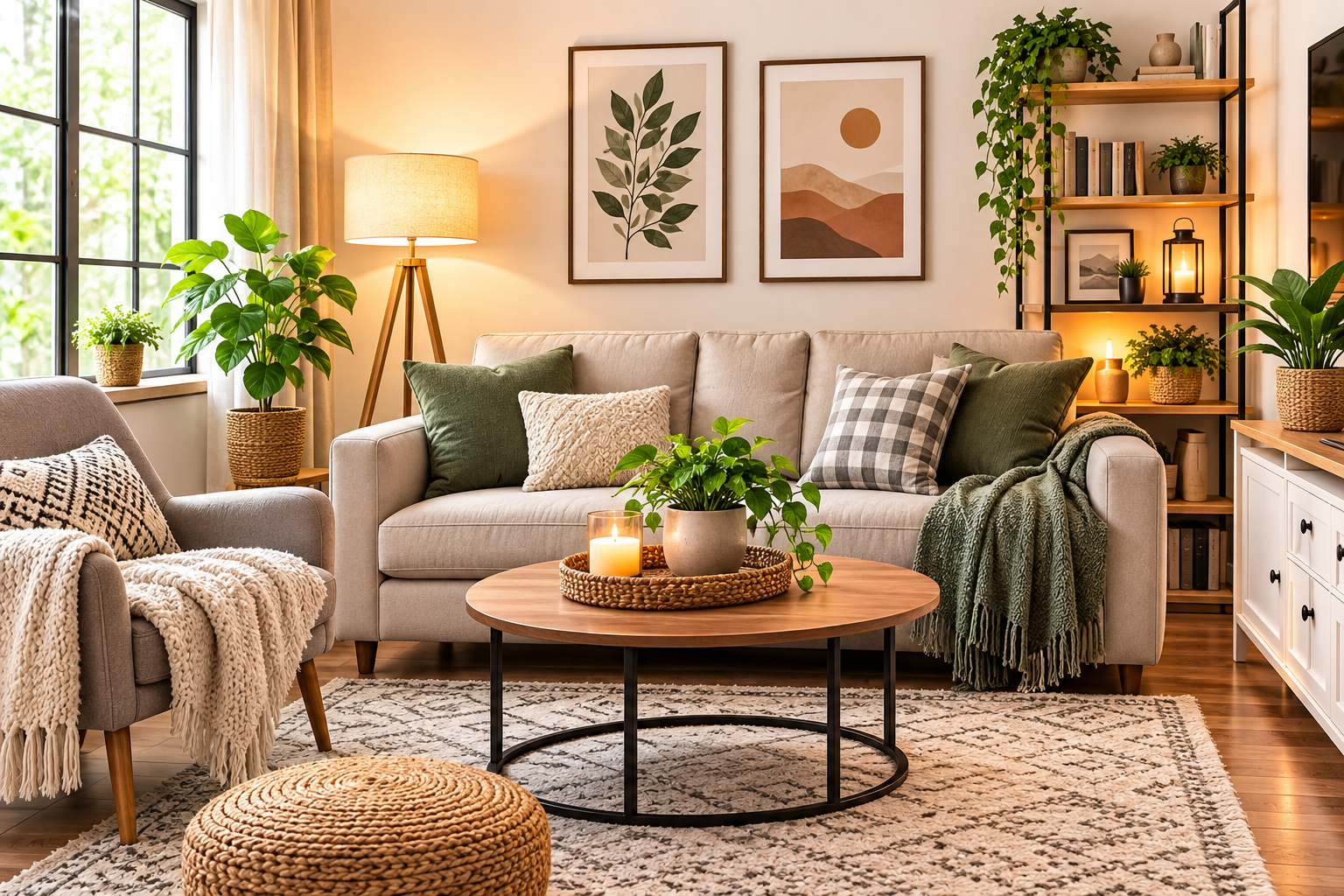
Best Home Improvement Ideas for a Cozy Home

Introduction
A cozy home has very little to do with size or budget. Some of the most comfortable, welcoming homes are compact apartments with modest furnishings. Some of the largest, most expensively decorated houses feel surprisingly cold and unwelcoming. The difference is almost never about square footage or what was spent. It is about how the space is put together.
Coziness is the result of several things working in the same direction. Lighting that flatters rather than glares. Colors that feel settled and warm rather than sharp or clinical. Textures that invite touch rather than simply look good in a photograph. Furniture arranged for real living rather than for maximum floor space. Rooms that feel personal and genuine rather than staged and impersonal.
None of these require expensive renovation. Most of the improvements that have the greatest effect on how comfortable a home feels are achievable at a realistic cost and without professional help. This guide covers the best home improvement ideas for a cozy home across different rooms, budgets, and living situations, with practical explanations for why each one actually makes a difference.
1. Improve the Lighting
Lighting is the single element that has the most immediate and complete effect on how a room feels. The same space with flat overhead lighting and warm, layered lighting are two completely different experiences, even when nothing else changes. Lighting sets the emotional tone of a room before anything else registers.
The problem in most homes is reliance on a single overhead fixture per room. Overhead light illuminates from above and creates shadows that make a room feel flatter and less intimate. It is functional for tasks but rarely creates the kind of atmosphere that makes a room feel genuinely comfortable.
Building toward layered lighting makes an enormous difference. This means combining a ceiling fixture for general illumination with floor lamps or table lamps that distribute light at lower levels. A lamp in a corner of a living room that would otherwise be dark makes that corner feel like part of the room rather than a shadowed edge. A bedside lamp provides soft, directed light that works far better for evening reading than an overhead fixture ever can.
Bulb color temperature matters as much as the number of light sources. Warm white bulbs, generally in the 2700K to 3000K range, produce a softer, amber-leaning light that is universally more welcoming than cooler white or daylight-temperature bulbs. If a room currently feels slightly harsh or clinical in the evening, checking the bulb temperature is often the quickest diagnosis.
Candles, battery-operated candles, and LED string lights are not just decorative. They add a very low-level, warm light source that contributes to the layered lighting effect and specifically to the kind of ambient warmth that makes a room feel comfortable at the end of the day.
2. Choose Warm and Comfortable Colors
Color profoundly affects how a room feels, not just how it looks. Colors with warm undertones, tones that lean toward red, yellow, orange, or brown in their base, tend to create a sense of warmth and enclosure that cooler colors do not. This does not mean every cozy room needs to be painted terracotta or deep brown. It means choosing tones whose underlying warmth contributes to the atmosphere.
Warm neutrals are a reliable foundation in most rooms. Cream, warm white, soft beige, taupe, warm putty, and similar shades reflect light while still feeling grounded and welcoming. Soft, muted earthy greens like sage and olive sit at the warmer edge of green and work particularly well in living rooms and bedrooms where a sense of calm is welcome. Dusty terracotta, clay, and burnt orange used as accent colors add warmth without dominating.
The specific color that works best in a room depends on the natural light available. A north-facing room with limited direct sunlight will make cool gray read flat and slightly cheerless by midday. The same room in a warm creamy tone feels much more settled. A south-facing room has more flexibility because the sunlight warms whatever is on the walls.
Color does not live on the walls alone. The warmth in a room also comes from the furniture fabrics, the floor covering, the cushion colors, and the overall balance of tones across every surface. A room with cool gray walls, warm wood furniture, cream cushions, and a terracotta rug reads as balanced and warm overall. The same cool gray with white furniture, black accents, and a cool-toned rug can feel considerably more austere.
3. Add Soft Textures
Texture is what gives a room its tactile quality, and in a cozy home, it is the element that most directly invites physical comfort. Hard, smooth, reflective surfaces have their place in interior design, but a room composed entirely of them feels cold and somewhat uncomfortable regardless of the colors or furniture involved.
Soft furnishings are the most accessible and impactful way to introduce texture. A rug on a hard floor immediately changes how a room feels underfoot and visually. Cushions on a sofa or bed add softness and color. A throw draped over a chair or the arm of a sofa is an invitation to settle in that no other decorative object quite replicates. Heavy curtains, linen drapes, or textured blinds add both visual softness and a sense of acoustic comfort that bare windows cannot provide.
Mixing different fabric weights and textures adds visual depth that a single uniform material cannot achieve. A smooth velvet cushion alongside a woven cotton one, a chunky knit throw over a linen sofa, a wool rug on timber flooring. Each pairing creates a contrast that gives the eye interest and the body options for comfort.
Upholstered furniture contributes significantly to how cozy a living room or bedroom feels. A sofa in a fabric that feels soft and welcoming to the touch is simply more inviting than one in a material that feels slick or slightly scratchy. This is worth considering practically when choosing furniture, not just visually.
4. Create a Comfortable Living Room
The living room is where most households spend the most time, and it deserves the most deliberate attention when creating a cozy home. The goal is a room that actively encourages relaxation, conversation, and the kind of comfortable stillness that makes staying home feel genuinely appealing.
Sofa placement is the foundation. A sofa positioned with its back to a wall and facing the room’s focal point, whether that is a fireplace, a television, or a significant piece of artwork, creates a clear and settled arrangement. Floating the sofa slightly away from the wall rather than pressing it against it often makes the room feel more considered and the seating arrangement more purposeful.
A rug that is generously sized enough for all the main seating pieces to have at least their front legs resting on it defines the living area and creates the sense of a warm, contained zone within the room. A rug that is too small looks disconnected and defeats much of its purpose.
The coffee table should be functional as well as decorative. A practical surface at a comfortable distance from the sofa, with enough space to set down a mug, a book, or a remote without leaning uncomfortably forward, makes the room more liveable. What sits on the coffee table matters too. A small stack of books, a candle, a simple plant, and one or two objects that have personal meaning creates a surface that feels curated rather than cluttered.
Lighting as described above applies particularly here. A floor lamp in an otherwise dark corner, a table lamp on an end table, and either a dimmer on the ceiling fixture or a warmer overhead bulb together create the kind of living room that feels genuinely good to be in after a long day.
5. Make the Bedroom More Relaxing
A bedroom that feels cozy has a different quality to other rooms in the home. It should feel calm and slightly separated from the rest of the house in its atmosphere, a place where the body and mind understand they can rest.
Bedding quality and character matter enormously. A bed made up in well-chosen, comfortable bedding, a duvet or comforter with enough weight and warmth, good pillows, and coordinating cushions or a throw across the foot, looks inviting and signals that the room is designed for genuine rest. A bed with mismatched bedding in varying states of wear does the opposite.
Natural fiber bedding, cotton, linen, or a cotton-linen blend, tends to feel more comfortable against skin and more genuinely cozy than synthetic alternatives. Linen bedding in particular has a texture and drape that gets better with washing and has become widely associated with comfortable, relaxed bedroom aesthetics for good reason.
Lighting in the bedroom should support the room’s primary purpose. Overhead lighting that is too bright or too cool makes the room feel like a workspace rather than a place of rest. Bedside lamps with warm bulbs and a dimmer on any ceiling fixture give the bedroom the flexibility it needs across different times of day. If the ceiling fixture is bright and overhead, simply using it less often in the evening in favor of bedside lamps makes a noticeable difference to how the room feels.
Blackout or lined curtains in a bedroom serve both a functional and atmospheric purpose. They block light that would otherwise disturb sleep, and they add a physical sense of warmth and insulation at the windows that sheer curtains cannot provide.
6. Use Natural Materials
There is a quality to natural materials in an interior that synthetic alternatives consistently fail to replicate. Wood, stone, woven rattan, linen, cotton, leather, and ceramic all have an inherent warmth, texture, and organic variation that makes rooms feel grounded and genuinely comfortable.
This is not about choosing a specific decorating style. A contemporary, minimalist interior can incorporate natural wood and stone just as effectively as a more traditional one. The principle is that natural materials add tactile richness and human quality that manufactured materials tend to lack.
In practical terms, this means looking for opportunities to bring natural materials in where they are currently absent. A wooden tray on a coffee table. A ceramic lamp base on a bedside table. A woven basket used for blanket storage beside the sofa. A stone soap dish in the bathroom. These are small additions individually, but they collectively shift the feeling of a room toward greater warmth and authenticity.
Wood in particular has a strong warming effect in interiors. Where wooden furniture or architectural elements are present, their grain, color, and texture contribute to a room’s overall warmth in a way that is visually significant. Where wood is absent, its introduction, even in the form of a simple wooden shelf, a wooden bowl, or a small wooden stool, adds a quality that is difficult to achieve otherwise.
7. Add Indoor Plants
Plants bring something into an interior that no manufactured product quite replicates. They add color, movement, texture, and a sense of life that makes rooms feel more welcoming and genuinely inhabited.
A single large plant in a well-chosen ceramic or terracotta pot makes more visual and atmospheric impact than a collection of small plants scattered without a clear arrangement. A fiddle leaf fig in a living room corner, a large pothos trained up a shelf, or a robust monstera in a bedroom all add a presence that shifts the room’s quality noticeably.
Smaller plants work well grouped together or placed on shelves where they can be seen at eye level. Trailing plants like pothos and string of hearts work well on high shelves, bookshelves, or hanging positions where they add vertical interest.
Choosing plants based on the light available in each specific location prevents the disappointment of a plant that deteriorates in a space that cannot support it. Low-light spaces suit snake plants, ZZ plants, and pothos well. Bright, indirect light supports a much wider range, including most herbs, fiddle leaf figs, and peace lilies.
The container matters for the overall effect. A plant in its plastic nursery pot, sitting directly in a bare corner, has far less visual impact than the same plant in a ceramic, terracotta, or woven basket planter that suits the room’s palette and style.
8. Improve Temperature and Comfort
The physical temperature and air quality of a home are fundamental to how comfortable it feels, in a way that no amount of decorating can compensate for. A beautifully decorated room that is persistently cold, drafty, or stuffy does not feel cozy regardless of how good the furniture or lighting is.
Draft reduction is one of the most cost-effective improvements available in older homes. Gaps around window frames, door bottoms, letterboxes, and other penetrations in the building fabric allow cold air in and warm air out in a way that makes rooms feel colder than the thermostat suggests. Draft-proofing these gaps with appropriate seals, door sweeps, or window draft strips is an inexpensive project with an immediate effect on comfort. Our guide on how to install weather stripping covers the most common applications clearly and practically.
Rugs on hard floors contribute to thermal comfort as well as visual warmth. Hard flooring conducts cold from beneath, and bare floors in winter feel noticeably colder underfoot than rugged areas in the same room. A well-placed rug makes a room feel physically warmer even when the actual temperature is identical.
Lined or thermal curtains at windows reduce heat loss during cold periods and block heat gain during hot ones. They also reduce the cold-radiation effect that large, bare windows create in winter, where the air near an uninsulated window is noticeably colder than the room’s general temperature.
For any improvements involving heating, gas, or electrical systems, engaging qualified professionals is the appropriate approach. Addressing system problems, leaking radiators, inadequate heating distribution, or ventilation that is not working as designed, is worth doing, but it requires the right expertise.
9. Make the Entryway More Welcoming
The entryway is both the first and last space experienced in the home. In a house that is designed to feel cozy, the entry sets the tone before anything else. A welcoming entry communicates that the rest of the home will feel the same way.
Lighting in an entryway should be warm rather than harsh. A ceiling fixture with a warm bulb, a wall sconce, or a small table lamp on a console table all create a warmer welcome than a bright, cool overhead light. Sufficient illumination matters for practical reasons, but the quality of that light should feel inviting rather than clinical.
A small rug in the entryway adds both practical function and visual warmth immediately at the door. It protects the floor, defines the entry space, and introduces texture and color from the first step inside.
Practical storage is essential to keeping an entryway functional rather than chaotic. Hooks at a comfortable height for coats and bags, a surface for keys and mail, and shoe storage that keeps footwear off the floor all prevent the entry from becoming a dumping ground that undermines the home’s sense of calm before the first room is even reached.
A mirror in the entryway serves both a practical and visual purpose. It adds perceived depth in a small space and reflects whatever light is available, making the entry feel brighter and more open.
Small decorative touches, a plant, a simple piece of art, a small collection of meaningful objects on a console, make the entryway feel like a considered part of the home rather than simply a transition zone.
10. Create Better Storage
Visible clutter is one of the most consistent enemies of a cozy atmosphere. A room where objects have accumulated on surfaces, in doorways, and across floors feels busy and uncomfortable even when the furniture and colors are appealing. Storage that is inadequate or poorly organized allows clutter to accumulate because everyday objects have nowhere practical to go.
Creating more effective storage is not necessarily about buying more furniture. It is about giving objects a logical, accessible home so they can be put away easily and retrieved without difficulty.
Closed storage, cabinets, drawers, and baskets with lids, provides the cleanest visual result by concealing objects completely. This works particularly well for everyday items that are used regularly but are not decorative. Open storage, shelves, hooks, and open baskets, works when the items stored are attractive, curated, or need to be very easily accessible.
In a cozy home, the goal is a balance where everyday life is fully supported but the visual environment stays reasonably settled. Surfaces have enough clear space to breathe. Floors are clear enough to move through comfortably. Storage is functional enough that putting things away is genuinely easy rather than something that requires effort.
Our guide on how to install floating shelves covers practical wall-mounted storage installation for different wall types, which is one of the most useful ways to add organized storage without reducing floor space.
11. Use Rugs to Define Spaces
A rug does several things simultaneously in a room. It adds physical warmth underfoot. It introduces texture and color. It absorbs sound in a way that hard flooring cannot. And it visually defines a zone within the room that gives the arrangement a sense of structure and containment.
In open-plan spaces, rugs are especially valuable because they create the visual boundaries between different areas, seating, dining, and workspace, that walls would otherwise provide. A living area rug and a dining area rug in an open plan communicate that these are distinct functional zones without physically separating them.
Size matters more than most people realize when choosing a rug. A rug that is too small for the furniture it is meant to anchor looks disconnected and actually makes the room feel more fragmented rather than more organized. In a living room, a rug that allows the main seating pieces to have at least their front legs resting on it is generally the minimum effective size.
The texture and pile of a rug affect how physically cozy a room feels. A flat-woven rug is practical and durable but does not provide the same warmth underfoot as a medium or high-pile rug. In a living room or bedroom where physical comfort matters, a rug with enough pile to feel genuinely soft underfoot adds significantly to the room’s cozy quality.
12. Add Personal Touches
A cozy home is a personal home. The quality that most distinguishes genuinely welcoming interiors from beautifully decorated but impersonal ones is the presence of objects that reflect the people who live there.
Family photographs displayed thoughtfully, artwork that was chosen because it is genuinely liked rather than because it seemed appropriate, books that are actually read, travel objects with real stories, handmade pieces from people who matter, these all contribute to a home that feels inhabited and genuine. They are the details that visitors remember and that residents feel settled by.
This does not mean displaying everything at once. The difference between a personal touch and clutter is partly in the quantity and partly in the curation. A shelf with a small selection of meaningful objects arranged with some care looks considered and warm. The same shelf with every available object piled on it looks accumulated and busy.
The goal is not a perfectly styled home where every object was chosen for visual impact. It is a home that genuinely reflects the people in it, where objects have meaning and history, and where the overall feeling is one of comfortable authenticity rather than studied design.
13. Improve the Dining Area
The dining area is a room, or a part of a room, where the quality of the experience matters as much as the practical function. Eating in a pleasant, well-lit, comfortable dining space is a different experience from eating in one that feels clinical or uninviting. For households where shared meals are part of daily rhythm, the dining environment is worth genuine attention.
Lighting is particularly important here. A pendant or chandelier positioned above the dining table, at a height that illuminates the table without obscuring sightlines across it, creates a sense of occasion that a ceiling fixture at the edge of the room cannot. Warm bulbs in this fixture make food and faces look better, which is a straightforward reason to choose them.
Comfortable seating makes meals last longer in the best possible sense. Chairs with some cushioning, appropriate seat height for the table, and enough space between them that people are not crowded together make the dining area feel genuinely hospitable.
A simple centerpiece on the table, whether a plant, a candle, or a small collection of objects, creates a visual anchor that gives the table definition even when it is not set for a meal. A tablecloth or placemats on occasions when they would be used add textile warmth and signal that the meal is worth pausing for.
14. Make the Kitchen Feel Warmer
Kitchens are primarily functional spaces, and their design often reflects that function at the expense of warmth and atmosphere. Hard surfaces, bright overhead lighting, and clinical organization can make a kitchen feel efficient but unwelcoming. A few targeted changes can shift this considerably.
Wood elements introduce warmth in a kitchen in a way that other materials do not. Open wooden shelves, wooden utensil holders, a wooden chopping board left on the counter, or a wooden bar stool at a kitchen island all contribute organic warmth to a space that is otherwise dominated by harder materials.
Changing the kitchen lighting from a single fluorescent or LED panel to a combination of warmer ceiling lighting and under-cabinet lighting immediately softens the atmosphere. Under-cabinet lighting illuminates the counter surface where work happens, makes the kitchen feel more polished, and reduces the harsh shadows that overhead-only lighting creates.
Textiles in the kitchen, a linen tea towel hanging from an oven handle, a simple runner on a section of floor, a cushion on a breakfast bar stool, add softness and color that hard kitchen surfaces cannot provide.
An organized, clear counter makes the kitchen feel calmer and more inviting. This is partly visual and partly practical. A kitchen that feels easy to work in is one that feels good to be in.
15. Make the Bathroom Feel More Comfortable
Bathrooms are easy to overlook when thinking about creating a cozy home, but they are spaces used daily and their quality matters to the overall comfort of the home more than their size might suggest.
Towel quality is a simple and affordable way to improve how a bathroom feels. A thick, soft bath towel in a coordinated color is an inexpensive upgrade that makes the bathroom feel more considered and the morning routine more pleasant.
Lighting in a bathroom significantly affects its atmosphere. A single overhead fixture creates flat, sometimes unflattering light that makes the room feel more functional than comfortable. Adding lighting beside or above the mirror at face level, through a light bar or sconces, creates a warmer, more even light quality. Warm bulbs rather than cool ones make the room feel more welcoming, even in a small space.
A bath mat in a natural fiber, cotton or a cotton-mix, adds texture and warmth underfoot in a way that rubber or synthetic mats do not. A simple soap dish, a plant that tolerates humidity like a pothos or spider plant, and organized storage that keeps surfaces clear all contribute to a bathroom that feels comfortable and considered rather than purely utilitarian.
Color on the walls, where the existing tile and fixtures allow for it, can shift a bathroom significantly toward a warmer or calmer atmosphere. Soft sage, warm cream, dusty rose, and pale terracotta all work well in bathrooms and contrast usefully with white fixtures.
16. Create a Cozy Outdoor Space
Where a home includes outdoor space, whether a small balcony, a porch, a patio, or a garden, extending the sense of comfort and warmth into that space adds meaningfully to the home’s overall quality of life.
Outdoor seating that is genuinely comfortable rather than simply present is the starting point. Cushioned chairs, a weather-appropriate outdoor sofa, or even a simple bench with a cushion placed against a sheltered wall creates a space that the household will actually use.
Outdoor lighting makes a terrace or garden usable after dark and creates a visual warmth from inside the home that contributes to the overall atmosphere. String lights along a fence or pergola, lanterns on a table, or simple ground-level path lighting all extend the usable hours of an outdoor space and make it feel like a genuine room rather than simply an external area.
Plants, whether in pots on a balcony or in garden beds, bring life and color to outdoor spaces in the same way they do indoors. Potted herbs on a balcony serve both a decorative and practical purpose. A climbing plant against a wall adds vertical interest and green color that changes with the seasons.
Weather-appropriate textiles, outdoor cushions, a weather-resistant rug, and a blanket for cooler evenings all make outdoor spaces feel more welcoming and comfortable for more of the year.
17. Cozy Home Improvements on Different Budgets
Low-Cost Ideas
Many of the most effective changes for making a home feel cozier cost very little. Rearranging furniture to improve the layout and circulation of a room costs nothing and can completely change how the space feels. Swapping to warm-white bulbs throughout the home is an inexpensive change with an immediate atmospheric effect. Adding a throw and a few cushions to a sofa or bedroom chair makes those pieces feel more inviting without replacing them. Decluttering and organizing surfaces gives rooms more breathing room. Introducing one or two plants adds life and warmth at a modest cost.
Moderate-Budget Ideas
A well-chosen area rug of appropriate size for the living room or bedroom is worth the investment and significantly improves physical and visual warmth. Updated lighting fixtures in the main living areas and bedroom shift the atmosphere noticeably. Simple lined curtains hung close to the ceiling and reaching the floor improve both the appearance of windows and the thermal comfort of the room. A few additional lamp sources in rooms that currently rely only on overhead light round out the lighting picture.
Larger Investments
Where temperature and draft are genuine comfort problems rather than purely aesthetic ones, addressing insulation, window condition, or heating distribution represents a real improvement in daily quality of life that no amount of decorating can substitute for. Flooring improvements, replacing worn or cold hard floors with warmer alternatives or better-quality rugs, make a physical difference in rooms where the floor condition is a genuine problem. These are investments worth making when they address real comfort limitations rather than simply for the sake of a change.
18. Common Mistakes That Can Make a Home Feel Less Cozy
Too much harsh lighting is the most common atmosphere problem in residential interiors. Bright, cool overhead light does not create warmth. Building toward layered, warmer light sources makes more difference than almost any other single change.
Excessive clutter prevents a home from feeling settled and comfortable. Clutter is not the same as personal character, and reducing accumulated objects that do not contribute meaningfully to daily life improves both the feeling and the function of most rooms.
Furniture that is uncomfortable or poorly sized undermines coziness regardless of how it looks. A sofa that is too firm, a chair that is too low, or a bed that is not actually restful defeats the purpose of everything around it.
Too many unrelated colors creates visual restlessness that works against the settled, calm quality that cozy rooms share. A cohesive palette that moves through related tones feels more comfortable than competing colors across every surface.
Overdecorating is the decorating equivalent of too much clutter. A room filled with objects on every surface, artwork on every wall, and accessories in every available space does not feel cozy. It feels busy.
Blocking natural light with furniture placement, heavy window treatments, or objects on windowsills makes rooms darker and more enclosed than they need to be. Natural light is too valuable to sacrifice to poor placement decisions.
Choosing style over comfort produces rooms that look good in photographs but do not function well for daily life. A chair no one sits in because it is not comfortable enough, a rug chosen for appearance that feels unpleasant underfoot, a lamp chosen for its shape that does not actually provide useful light. Comfort should be the priority.
Ignoring temperature and ventilation means that even a beautifully decorated room never quite feels right if it is persistently cold, warm, or stuffy.
Making every room look identical removes the sense of variety and discovery that makes a home interesting to move through. Coziness does not require uniformity. Each room can have its own character while sharing enough common threads to feel like part of the same home.
Frequently Asked Questions
What makes a home feel cozy?
Coziness is the result of several things working together rather than any single element. Warm, layered lighting that avoids harsh overhead light. Colors with warmth in their undertone. Soft textures in rugs, cushions, curtains, and bedding. Furniture scaled appropriately for the room and arranged for actual use. Storage that keeps clutter contained. Personal objects that reflect the people who live there. Physical comfort from appropriate temperature and draft reduction. No one of these alone creates coziness, but several working together consistently do.
How can I make my home cozy on a small budget?
Start with the changes that cost the least but have the most impact. Swap cool or harsh bulbs for warm white ones throughout the home. Add a throw and a couple of cushions to the main sofa. Declutter surfaces so rooms have more breathing room. Rearrange furniture in the living room to create a more settled, purposeful arrangement. Introduce one or two plants in suitable locations. Move to layered lighting by using a floor lamp or table lamp in rooms that currently rely only on overhead light. These changes together make a genuine difference and require very little spending.
What colors make a home feel warmer?
Colors with warm undertones, those that lean toward red, yellow, orange, or brown in their base, create a sense of warmth and enclosure. Practical choices include warm cream, soft off-white, warm beige, taupe, muted terracotta, and earthy sage or olive green. The specific tone that works best depends on the natural light available in the room and the colors already present in the flooring and furniture. The goal is a palette that feels settled and warm rather than sharp or cool.
What type of lighting is best for a cozy home?
Warm white light in the 2700K to 3000K range creates a softer, more welcoming atmosphere than cool white or daylight-temperature bulbs. Layered light from multiple sources at different heights, a ceiling fixture combined with floor lamps, table lamps, or wall sconces, distributes light more warmly than a single overhead source. Dimmer switches give rooms flexibility across different times of day and different moods. Candles and low-level accent light sources add the warmest quality of all and contribute to the kind of atmosphere that makes staying home feel genuinely appealing.
How can I make a modern home feel more cozy?
Modern interiors often prioritize clean lines, minimal decoration, and hard surfaces, which can make them feel somewhat austere. Introducing natural materials, wood furniture or accents, ceramic objects, linen textiles, and woven baskets, adds warmth without compromising the overall aesthetic. Layering soft furnishings, rugs, cushions, and throws in natural fiber fabrics, adds physical comfort and visual softness. Shifting to warmer light sources reduces the clinical quality that bright, cool overhead lighting creates in modern spaces. Adding plants and a few meaningful personal objects completes the shift toward a space that feels both modern and genuinely comfortable.
How can I make a small home feel cozy without making it look cluttered?
In a small home, the balance between personal warmth and visual clutter requires more active management than in a larger space. Focus on quality over quantity in every category. One large plant rather than many small ones. A few meaningful objects on a shelf rather than every available surface covered. Soft furnishings that add comfort without overwhelming the furniture they sit on. Storage that is genuinely organized so everyday objects have a home. The goal is a space that feels personal and warm but still has enough visual breathing room to feel settled rather than crowded.
Do rugs make a home feel cozier?
Yes, in several ways simultaneously. A rug adds physical warmth underfoot that hard flooring cannot provide. It absorbs sound in a way that makes rooms feel acoustically softer and quieter. It introduces texture and color that visually warms the room. And it defines a zone within the space that gives the furniture arrangement a sense of structure and containment. The size matters. A rug appropriately sized to ground the furniture arrangement in a room is significantly more effective than one that is too small to connect the pieces around it.
How can I make my bedroom more relaxing?
Start with the bed itself. Good quality, comfortable bedding in natural fibers makes the bed genuinely inviting rather than just adequately functional. Shift to warm-toned bedside lamps rather than relying on an overhead ceiling fixture in the evening. Add blackout or lined curtains if early light or street light is disturbing sleep. Clear surfaces of accumulated objects so the room feels settled rather than busy. Choose a calming color for the walls if repainting is possible. Keep the bedroom for rest rather than work wherever practical, because the association between the space and relaxation deepens over time when it is consistently maintained.
Final Thoughts
Creating a cozy home is ultimately less about following a specific style or purchasing the right collection of items and more about understanding what actually makes a space feel comfortable, warm, and genuinely welcoming.
The best home improvement ideas for a cozy home tend to be those that address lighting, temperature, texture, personal character, and physical comfort, qualities that reflect how a home is actually experienced rather than simply how it photographs. A warm-toned lamp in a previously dark corner, a rug that makes a hard floor feel inviting, blackout curtains that finally make the bedroom dark enough to sleep properly, a shelf that gets the daily clutter off the kitchen counter. These are small changes that make real differences to how comfortable a home feels every day.
Make improvements gradually and prioritize the rooms and problems that affect daily life the most. A cozy home does not need to be finished or perfect. It needs to feel comfortable, personal, and genuinely lived in. That quality comes from thoughtful attention to the things that actually matter to the people who live there, not from any particular product, trend, or budget level.