Annual Home Maintenance Checklist: Complete Guide

Introduction
Your home is likely the biggest investment you will ever make. Yet most homeowners only fix something when it breaks. That reactive approach costs far more money than it ever saves.
A solid annual home maintenance checklist changes everything. It keeps you ahead of problems before they become expensive emergencies. A leaking roof caught early might cost a few hundred dollars to repair. Left alone for another winter, that same issue could turn into a $10,000 structural nightmare.
Beyond saving money, routine home maintenance protects your family’s safety, keeps your home systems running efficiently, and preserves your property value for years to come. According to the National Association of Realtors, well-maintained homes sell faster and at higher prices than neglected properties.
This complete guide gives you everything you need. You will find seasonal task breakdowns, expert tips, professional tables, cost estimates, and answers to the most common homeowner questions. Whether you are a first-time buyer or a seasoned homeowner, this checklist will help you stay organized, confident, and in control of your home all year long.
What Is an Annual Home Maintenance Checklist?
An annual home maintenance checklist is a structured plan that outlines every inspection, cleaning, servicing, and repair task a homeowner should complete throughout the year. It organizes home care tasks by season so nothing gets overlooked.
Think of it as a health checkup for your house. Just like visiting a doctor once a year helps you catch health issues early, a yearly home maintenance plan helps you spot small problems before they become big ones.
A complete homeowner maintenance checklist covers both interior and exterior tasks. It includes everything from HVAC maintenance and roof inspection to chimney cleaning, gutter care, and plumbing checks. It also addresses home safety items like smoke detectors, carbon monoxide detectors, and emergency kits.
The goal is simple: keep your home safe, functional, efficient, and in excellent condition year-round.
Why Every Homeowner Needs an Annual Maintenance Plan
Many homeowners underestimate how quickly deferred maintenance adds up. The U.S. Department of Housing and Urban Development estimates that homeowners should budget 1% to 4% of their home’s value annually for maintenance and repairs.
Skipping routine tasks almost always costs more in the long run. A clogged dryer vent, for example, is one of the leading causes of house fires in the United States, according to the U.S. Fire Administration. A quick annual cleaning takes 30 minutes and costs very little. Recovering from a house fire is a different story entirely.
An annual home maintenance plan also helps you stay organized. Instead of scrambling when something breaks, you already have a schedule in place. You know what needs attention and when to address it.
Benefits of Following an Annual Home Maintenance Checklist
Following a consistent home maintenance schedule delivers real, measurable benefits. Here is what you gain:
- Prevent costly repairs by identifying issues while they are still minor
- Improve home safety by testing detectors, checking electrical systems, and addressing hazards
- Extend the lifespan of roofing, HVAC, plumbing, and appliances
- Lower utility bills through energy-efficient home improvements and system tune-ups
- Protect property value and curb appeal year-round
- Reduce stress by staying proactive instead of reactive
- Satisfy insurance and warranty requirements that may depend on regular maintenance records
The Environmental Protection Agency (EPA) also notes that proper home sealing and insulation, key parts of any annual maintenance plan, can reduce heating and cooling costs by up to 20%.
Annual Home Maintenance Timeline
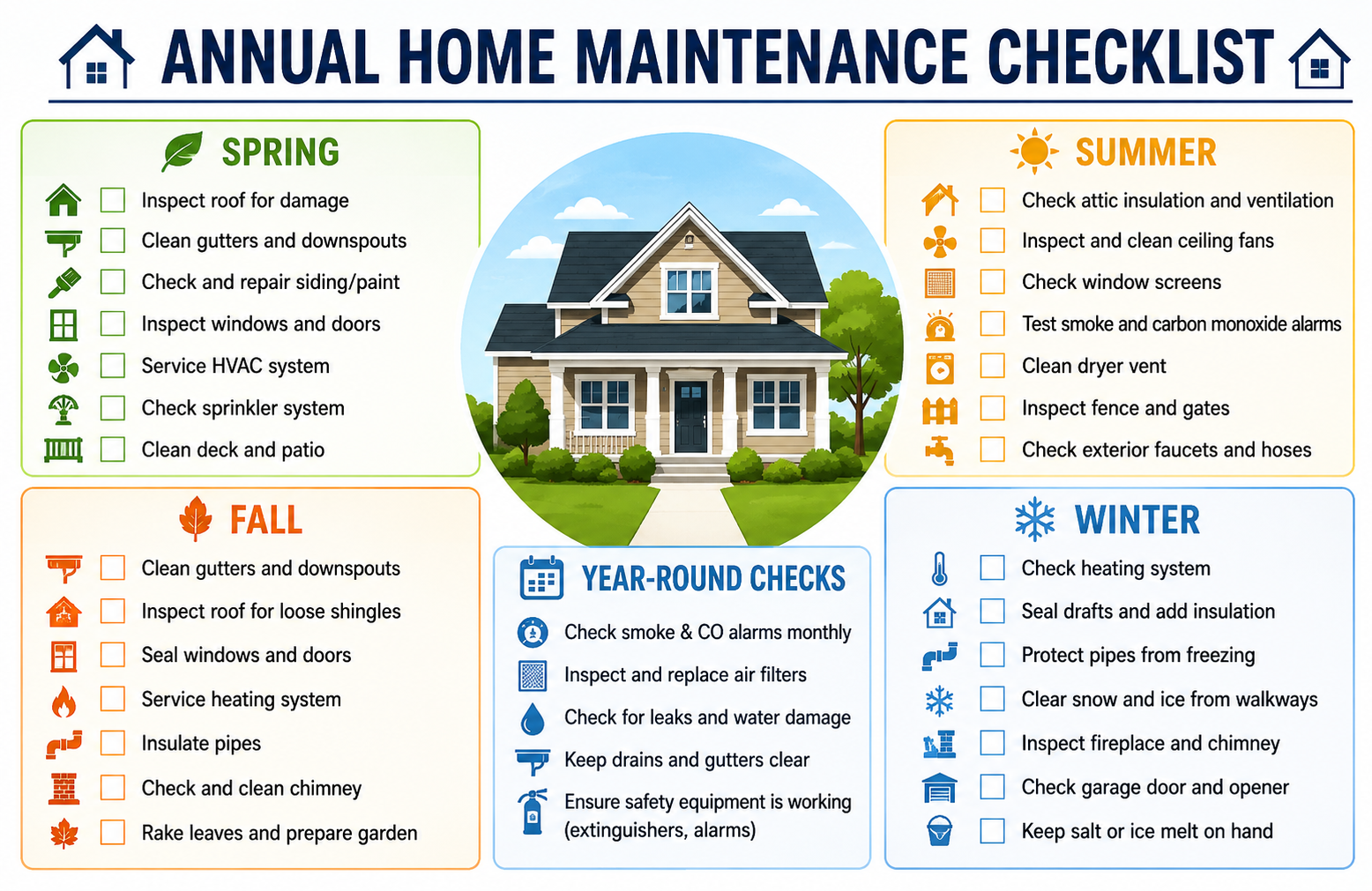
Before diving into specific tasks, here is a quick yearly overview to help you visualize your home care schedule.
Spring: Focus on winter damage recovery, exterior inspections, and HVAC prep for summer.
Summer: Handle deep cleaning, landscaping, deck care, and attic inspections.
Fall: Prepare for cold weather with heating system service, weatherproofing, and chimney checks.
Winter: Protect pipes, check insulation, test safety devices, and monitor indoor conditions.
Each season has a clear purpose. Together, they cover every major home system and surface throughout the year.
Spring Annual Home Maintenance Tasks
Spring is the best time to assess winter damage and prepare your home for warmer months. Work through these tasks as temperatures rise.
Inspect the Roof
Start at the top. Winter weather can loosen or crack shingles, damage flashing, and create small gaps where water enters. Walk the perimeter of your home and use binoculars to check for missing, curled, or cracked shingles.
Pay close attention to areas around chimneys, skylights, and vents where flashing is used. Water intrusion around these spots is common. If you spot significant damage, call a licensed roofing contractor before spring rains cause further harm.
Clean Gutters and Downspouts
Winter leaves debris packed into your gutters. Clogged gutters cause water to back up, which can damage your fascia boards, siding, and even your foundation. Clear all leaves, twigs, and buildup from every section.
Flush downspouts with a garden hose to confirm water flows freely. Make sure downspouts direct water at least 6 feet away from your home’s foundation.
Service the Air Conditioner
Before the summer heat arrives, have your air conditioning system serviced. A professional technician will clean the condenser coils, check refrigerant levels, inspect electrical connections, and test overall performance.
Replace the HVAC filter if you have not done so recently. A clogged filter makes your system work harder and drives up energy costs. Most filters should be replaced every 1 to 3 months. See How to Replace an HVAC Filter for a simple step-by-step walkthrough.
Check Exterior Walls and Siding
Walk around your entire home and inspect siding for cracks, warping, or gaps. These openings allow moisture and pests inside. Check painted surfaces for peeling or bubbling, which often signals moisture behind the surface.
Repair damaged caulking around windows and doors. Reapply exterior paint or sealant where needed to protect your siding from summer humidity.
Inspect Windows and Doors
Check all window and door frames for cracks, gaps, and deteriorating weatherstripping. Cold air from winter can shrink and damage seals around these openings. Replace worn weatherstripping immediately.
Test that all windows open, close, and lock properly. Clean window tracks and lubricate hinges and locks to prevent sticking. Proper window maintenance helps maintain an energy efficient home year-round.
Test Outdoor Faucets and Sprinklers
After a winter of being shut off, outdoor faucets and irrigation systems need testing. Turn each spigot on and check for drips or leaks around the base. Even a slow drip wastes hundreds of gallons of water annually.
Run your sprinkler system through a full cycle. Adjust heads that are blocked, tilted, or spraying in the wrong direction. Repair any broken lines before regular use begins.
Summer Annual Home Maintenance Tasks
Summer gives you long days and dry weather, which makes it ideal for outdoor projects and deeper inspections.
Inspect the Deck and Patio
Check your deck boards for rot, cracks, splinters, or loose nails. Press a screwdriver into suspicious wood. If it sinks easily, the wood is rotting and needs replacement. Inspect the ledger board where the deck meets the house for secure attachment.
Clean the deck surface and apply a fresh coat of sealant or stain if the previous coat is fading. Proper deck maintenance prevents premature deterioration and keeps your outdoor space safe for gatherings.
Power Wash Exterior Surfaces
Summer is perfect for power washing. Clean your siding, driveway, walkways, deck, fences, and retaining walls to remove mold, mildew, algae, and accumulated grime.
Use the right nozzle and pressure for each surface to avoid damage. A 25-degree nozzle works well for most hard surfaces. Never use high pressure on wood siding or older brick, as it can cause serious damage.
Trim Trees and Shrubs
Overgrown branches near your roofline are a liability. They drop leaves into gutters, provide pathways for squirrels and other pests, and can fall onto your roof during summer storms.
Trim any branch that hangs within 10 feet of your roof. Keep shrubs cut back from your siding and foundation to maintain proper airflow and prevent moisture buildup. This is a simple but often overlooked step in exterior home maintenance.
Inspect the Attic
Summer heat makes attic problems more visible. Go into your attic during a warm day and look for signs of moisture, mold, or inadequate ventilation. Proper attic ventilation prevents heat buildup that can damage your roof deck and drive up cooling costs.
Check attic insulation for moisture damage, compression, or gaps. The U.S. Department of Energy recommends specific R-values for insulation based on your climate zone. Inadequate insulation can significantly increase your energy bills.
Check Outdoor Lighting
Walk your property at dusk and identify any burned-out bulbs or flickering fixtures. Good outdoor lighting improves safety and deters intruders. Replace incandescent bulbs with LED alternatives to reduce energy consumption.
Test motion-sensor lights to confirm they trigger reliably. Check that all wiring is secure and that fixtures mounted on exterior surfaces are rated for outdoor use.
Inspect Driveways and Walkways
Freeze-thaw cycles from the previous winter often crack concrete and asphalt. Inspect your driveway and all walkways for cracks, heaving, or uneven sections that create tripping hazards.
Fill small cracks with a concrete or asphalt filler before water intrudes and makes them worse. Seal your asphalt driveway if it has been more than two years since the last application. This simple step dramatically extends its lifespan.
Fall Annual Home Maintenance Tasks
Fall is your preparation window. Everything you do now protects your home through winter’s harshest conditions.
Service the Heating System
Schedule a professional furnace or boiler tune-up before temperatures drop. A technician will clean burners, inspect heat exchangers, check the flue, and test safety controls. This reduces the risk of breakdowns during the coldest nights.
Replace your HVAC filter at the start of each heating season. A clean filter improves air quality, reduces strain on the motor, and keeps energy costs lower throughout winter.
Clean Gutters Again
Yes, gutters need cleaning twice a year. Fall is actually the most important cleaning because leaves drop in large quantities. Wait until most leaves have fallen in your area before cleaning, typically late October or November.
Clogged gutters in winter can lead to ice dams, which are thick ridges of ice that form at the roof’s edge and push water under shingles. Ice dam damage is both costly and preventable.
Seal Windows and Doors
Check all exterior openings for air leaks. Hold a lit candle near window and door edges on a windy day. If the flame flickers, you have a draft that is costing you money every day of winter.
Apply fresh weatherstripping where worn. Use a caulking gun to seal gaps around window and door frames from the outside. This is one of the most cost-effective steps in any preventive home maintenance plan.
Inspect the Chimney
If you use a wood-burning fireplace or stove, annual chimney inspection and cleaning is not optional. The National Fire Protection Association (NFPA) recommends inspecting chimneys at least once per year regardless of use.
Creosote buildup inside the flue is highly flammable. A certified chimney sweep will remove buildup and check for cracks, blockages, and structural issues. Do not use your fireplace until it has been cleared.
Drain Outdoor Plumbing
Shut off the water supply to outdoor faucets from inside the house. Open the spigot to release any remaining water in the line, then leave it slightly open until fully drained. Water left in pipes during freezing temperatures will expand and crack the pipe.
Roll up garden hoses and store them in a garage or shed for winter. Shut down and drain your irrigation system or hire an irrigation contractor to blow it out with compressed air.
Check Roof Before Winter
Do a final roof check in late fall before snow arrives. Make sure any missing or damaged shingles from summer storms have been repaired. Check that flashing around chimneys, vents, and skylights is secure.
Clear any debris sitting on the roof. Leaves and branches hold moisture against shingles, which accelerates deterioration. A clean, intact roof is your home’s first line of defense against winter weather.
Winter Annual Home Maintenance Tasks
Winter maintenance focuses on protection, safety, and monitoring. These tasks keep your family safe and your home damage-free through the coldest months.
Protect Pipes from Freezing
Frozen pipes are one of the most common and expensive winter home emergencies. Insulate exposed pipes in unheated areas such as crawl spaces, garages, and exterior walls using foam pipe insulation.
Set your thermostat no lower than 55 degrees Fahrenheit even when away. On extremely cold nights, let faucets drip slowly to keep water moving through the lines. Open cabinet doors under sinks on exterior walls to allow warm air to reach the pipes.
Check Insulation
Cold months reveal insulation weaknesses quickly. If certain rooms feel much colder than others, or if your heating bill suddenly spikes, inadequate insulation is often the cause.
Check the insulation in your attic, basement, and crawl space. Pay particular attention to areas around pipes, electrical outlets on exterior walls, and the attic hatch. Adding insulation where it is thin is one of the highest-return improvements in home upkeep.
Test Smoke and Carbon Monoxide Detectors
Winter brings an increased risk of carbon monoxide poisoning because heating systems run constantly and homes are sealed tighter against cold. Test every smoke and CO detector in your home monthly, but do a thorough annual check in winter.
Replace batteries in all detectors at least once per year. Replace any detector that is more than 10 years old. The CDC estimates that over 400 Americans die annually from unintentional CO poisoning. This is a simple step that saves lives.
Inspect the Water Heater
Water heaters work harder in winter because incoming cold water is colder than usual. Check the temperature setting, which should be at 120 degrees Fahrenheit according to the U.S. Department of Energy, to prevent scalding and save energy.
Flush the water heater tank once a year to remove sediment buildup at the bottom. Sediment reduces efficiency, increases energy costs, and shortens the lifespan of the unit. Check the pressure relief valve and the anode rod as well.
Prepare an Emergency Home Kit
Winter storms can knock out power, disable heating systems, or trap you at home for days. FEMA recommends every household maintain a basic emergency supply kit that includes water, food, first aid supplies, flashlights, batteries, and blankets.
Check your kit every year and restock expired items. Add home-specific supplies such as a manual can opener, backup batteries for smoke detectors, and a portable weather radio. Being prepared reduces the impact of any home emergency.
Monitor Indoor Humidity
Winter air is dry, and that can damage hardwood floors, cause woodwork to crack, and create uncomfortable conditions. But too much humidity causes condensation on windows, which can lead to mold and structural damage.
Use a hygrometer to measure indoor humidity. The ideal range is 30% to 50% according to the American Society of Heating, Refrigerating and Air-Conditioning Engineers (ASHRAE). Use a humidifier or dehumidifier as needed to maintain that balance.
Annual Interior Home Maintenance Checklist
Interior maintenance protects your home from the inside out. Work through this checklist at least once per year:
- Test all smoke detectors and carbon monoxide detectors
- Replace HVAC filters every 1 to 3 months
- Clean dryer vent and exhaust duct annually
- Check under sinks for leaks or water stains
- Inspect all visible plumbing for drips and corrosion
- Test GFCI outlets in bathrooms, kitchens, and garages
- Clean refrigerator coils behind or beneath the appliance
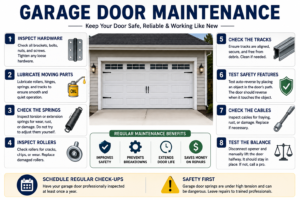
- Test and reset garage door safety reverse function
- Lubricate garage door tracks and springs
- Inspect basement walls and floors for cracks or moisture
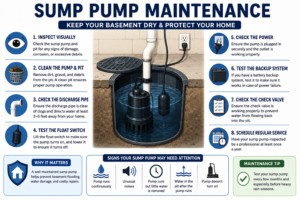
- Check the sump pump by pouring water into the pit
- Clean kitchen exhaust fan filters and hood
For a more detailed breakdown of monthly tasks, see our Monthly Home Maintenance Checklist.
Annual Exterior Home Maintenance Checklist
These exterior tasks protect your home’s structure, curb appeal, and long-term value:
- Inspect and repair roof shingles and flashing
- Clean gutters in spring and fall
- Power wash siding, decks, and walkways
- Seal cracks in driveway and concrete walkways
- Caulk around windows, doors, and exterior penetrations
- Trim trees and shrubs away from the structure
- Check foundation for new cracks or settling
- Inspect window wells for debris accumulation
- Test outdoor electrical outlets for proper grounding
- Clean and inspect window screens
- Check deck structure for rot, loose fasteners, and instability
- Touch up exterior paint or stain where needed
For a full seasonal breakdown, see our Ultimate Home Maintenance Checklist for Every Season.
Home Systems That Require Yearly Inspection
HVAC System
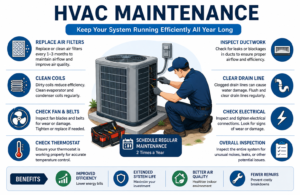
Your heating and cooling system is one of the most expensive to replace and one of the most important to maintain. Service it twice a year, once in spring for the cooling season and once in fall for the heating season. Change filters regularly and keep the area around your outdoor unit clear of debris.
Plumbing System
A yearly plumbing inspection catches slow leaks, corroded pipes, and failing water heaters before they cause water damage. Check under sinks, around toilets, and at the base of the water heater. Test water pressure and look for signs of rust or discoloration in your water.
Electrical System
Electrical issues are a leading cause of house fires in the United States. Inspect your breaker panel annually for signs of heat, burning smell, or tripped breakers. Test all GFCI outlets. If your home is older, consider having a licensed electrician perform a full safety audit.
Roofing System
Inspect your roof at least twice per year, in spring and fall. Look for damaged or missing shingles, deteriorating flashing, and moss or algae growth. A well-maintained roof can last 20 to 30 years. Neglected roofs often fail prematurely at significant cost.
Foundation
Walk your home’s perimeter and look for new cracks in the foundation walls or significant settling. Inside, check your basement or crawl space for signs of water intrusion. Small cracks can be sealed with hydraulic cement, but large or growing cracks should be evaluated by a structural engineer.
Windows and Doors
Check all window and door seals annually. Foggy or condensation-filled double-pane windows indicate a failed seal. Drafty doors and windows waste energy. Replacing weatherstripping and caulking regularly is an affordable way to maintain an energy efficient home.
Home Maintenance Calendar
| Season | Key Tasks |
|---|---|
| Spring | Roof inspection, gutter cleaning, AC service, exterior wall check, window/door inspection, outdoor faucet test |
| Summer | Deck inspection, power washing, tree trimming, attic inspection, outdoor lighting check, driveway inspection |
| Fall | Heating system service, gutter cleaning, window/door sealing, chimney inspection, outdoor plumbing drain, roof check |
| Winter | Pipe protection, insulation check, detector testing, water heater inspection, emergency kit review, humidity monitoring |
Annual Home Maintenance Schedule
| Task | Recommended Frequency | Importance Level |
|---|---|---|
| HVAC filter replacement | Every 1–3 months | Critical |
| Gutter cleaning | Twice yearly | High |
| Roof inspection | Twice yearly | Critical |
| Smoke/CO detector testing | Monthly, full check annually | Critical |
| Water heater flush | Once yearly | High |
| Chimney inspection | Once yearly | High |
| Dryer vent cleaning | Once yearly | High |
| Plumbing inspection | Once yearly | High |
| Electrical safety check | Once yearly | High |
| Foundation inspection | Once yearly | High |
| Exterior caulking | Once yearly or as needed | Medium |
| Deck sealing | Every 2–3 years | Medium |
| Driveway sealing | Every 2–3 years | Medium |
Essential Home Maintenance Tools
| Tool | Purpose | Recommended Use | Estimated Cost |
|---|---|---|---|
| Cordless drill | Fastening, repairs, assembly | Year-round | $60–$150 |
| Extension ladder | Roof, gutter, and exterior access | Spring and fall | $80–$300 |
| Caulking gun | Sealing gaps around windows and doors | Spring and fall | $10–$30 |
| Voltage tester | Electrical safety checks | Annually | $15–$40 |
| Moisture meter | Detecting wood rot and water intrusion | As needed | $20–$80 |
| Garden hose with nozzle | Flushing gutters and outdoor cleaning | Spring and summer | $25–$60 |
| Shop vacuum | Cleaning vents, gutters, and workshops | Year-round | $50–$150 |
| Pipe insulation foam | Protecting pipes from freezing | Fall and winter | $5–$20 |
| Utility knife | Weatherstripping, caulk removal, general repairs | Year-round | $10–$20 |
| Hygrometer | Monitoring indoor humidity levels | Winter | $15–$40 |
DIY vs Professional Annual Maintenance
| Task | DIY Friendly | Professional Recommended | Why |
|---|---|---|---|
| Gutter cleaning | Yes | Optional | Manageable with basic tools and ladder safety |
| HVAC filter replacement | Yes | No | Simple and inexpensive task |
| HVAC system service | No | Yes | Requires specialized tools and refrigerant handling |
| Roof inspection | Partial | Yes for repairs | Walking a roof safely requires experience |
| Chimney inspection/cleaning | No | Yes | Requires certified sweep for safety |
| Electrical panel inspection | No | Yes | Risk of shock or code violations |
| Foundation crack sealing | Small cracks, yes | Large cracks, yes | Major cracks require structural assessment |
| Water heater flush | Yes | Optional | Straightforward with basic plumbing knowledge |
| Exterior caulking | Yes | No | Easy DIY with minor prep |
| Plumbing leak detection | Partial | Yes for hidden leaks | Surface leaks are visible; hidden ones require expertise |
Estimated Annual Home Maintenance Costs
| Category | DIY Cost Estimate | Professional Cost Estimate |
|---|---|---|
| HVAC service | $20–$50 (filters only) | $80–$200 per visit |
| Gutter cleaning | $10–$30 (tools only) | $100–$250 per cleaning |
| Roof inspection | Minimal | $150–$400 |
| Chimney inspection and cleaning | N/A | $150–$350 |
| Plumbing inspection | Minimal | $100–$300 |
| Electrical inspection | Minimal | $200–$500 |
| Water heater flush | $0–$20 | $75–$150 |
| Pest inspection | N/A | $75–$200 |
| Exterior painting/caulking | $30–$100 | $500–$3,000+ |
| Total annual estimate | $100–$250 DIY | $1,000–$5,000+ professional |
Budgeting 1% to 2% of your home’s purchase price per year for maintenance is a widely accepted industry guideline. On a $300,000 home, that means setting aside $3,000 to $6,000 annually.
Common Annual Home Maintenance Mistakes
Even well-intentioned homeowners make mistakes. Here are the most frequent ones to avoid:
Skipping the HVAC filter. This is the single most neglected maintenance task. A dirty filter strains the system and increases energy costs significantly.
Cleaning gutters only once a year. Twice is necessary for most climates. Skipping the fall cleaning leads to ice dams and roof damage.
Ignoring small leaks. A dripping faucet or small pipe joint leak rarely stays small. Water damage spreads and mold develops faster than most people expect.
Delaying roof repairs. A small repair done today costs a fraction of what water damage and structural repairs will cost in six months.
Not testing safety detectors. Many homeowners test their smoke detector once and consider it done. Monthly testing is the recommended standard.
Overlooking the dryer vent. Lint buildup in dryer vents is a serious fire hazard and one of the most commonly skipped tasks on any home maintenance checklist.
Using the wrong products. Using interior caulk outdoors, non-rated weatherstripping, or the wrong sealant for a specific material leads to faster breakdown and repeat repairs.
Money-Saving Home Maintenance Tips
Keeping your home in excellent shape does not have to be expensive. Here are practical ways to reduce costs:
- Buy maintenance products in bulk during off-season sales
- Bundle service visits by scheduling HVAC and plumbing inspections together
- Learn basic caulking, weatherstripping, and filter replacement to avoid paying for simple tasks
- Use programmable or smart thermostats to reduce HVAC wear
- Address small repairs immediately to prevent escalation
- Keep detailed maintenance records to extend appliance warranties
- Compare quotes from at least three contractors for any project over $500
- Take advantage of energy efficiency rebates from your utility provider for insulation and HVAC upgrades
The EPA’s Energy Star program offers rebate information for qualifying improvements that reduce energy consumption. Check their website for current offers in your area.
Home Safety Recommendations
Home safety should be integrated into every part of your annual maintenance plan. Here is what experts recommend:
- Install smoke detectors on every level of your home and inside every bedroom
- Place carbon monoxide detectors near sleeping areas and on each floor
- Keep a fire extinguisher in the kitchen and one in the garage
- Never store flammable materials near your furnace or water heater
- Install a carbon monoxide detector within 15 feet of every sleeping area
- Maintain clear paths to all exits and ensure all doors unlock from the inside
- Check stair railings for stability every year
- Inspect decks for structural integrity before heavy use
- Keep electrical panels accessible and clearly labeled
- Store chemicals, pesticides, and cleaning products out of reach of children
FEMA recommends reviewing your home emergency plan annually with all household members, including where to meet outside the home in case of fire.
When You Should Hire a Professional
DIY maintenance saves money on routine tasks. But some situations always require a licensed professional.
Hire a professional when:
- You discover significant roof damage, sagging, or extensive shingle loss
- You smell gas near your furnace, water heater, or any appliance
- You find large cracks in your foundation that are growing or shifting
- Electrical breakers trip repeatedly or you notice burning smells near your panel
- You suspect hidden water damage behind walls or under flooring
- Your water heater is older than 10 years and showing signs of failure
- You find signs of structural damage to load-bearing walls or beams
- You notice sewage smells, which can indicate a broken drain line
- Chimney inspection reveals severe creosote buildup or structural damage
Attempting complex repairs without the proper knowledge or tools puts you and your home at serious risk. A professional’s fee is almost always less expensive than the cost of a mistake.
Expert Recommendations
After years of working with homeowners across different climates and home types, a few principles consistently stand out.
Start with a home inspection if you have never had one. A certified home inspector will give you a comprehensive snapshot of your home’s current condition. Use that report as your first maintenance roadmap.
Create a dedicated home maintenance binder or digital folder. Keep records of every inspection, repair, service call, and product used. This documentation is valuable when selling your home and essential for tracking warranty coverage.
Do not wait for symptoms. Roof leaks, plumbing failures, and electrical problems rarely announce themselves until damage has already occurred. Regular inspection is the only reliable way to stay ahead.
Finally, match your maintenance schedule to your climate. Homeowners in freeze zones need more aggressive pipe protection and winterization. Those in humid climates should prioritize mold prevention, attic ventilation, and moisture control. Tailor this checklist to fit your specific environment and home type.
Frequently Asked Questions
How much should I budget for annual home maintenance?
Most home improvement professionals and financial planners recommend budgeting between 1% and 3% of your home’s current value for annual maintenance. On a $250,000 home, that is $2,500 to $7,500 per year. Older homes and those in harsh climates often require spending at the higher end of that range. Having a dedicated savings fund for maintenance prevents financial stress when unexpected repairs arise. It also allows you to act quickly before small issues grow into expensive problems.
How often should I replace my HVAC filter?
The replacement frequency depends on the filter type, the number of occupants, and whether you have pets. Standard fiberglass filters need replacement every 30 days. Pleated filters typically last 60 to 90 days. Homes with pets or allergy sufferers benefit from more frequent changes. A clogged filter restricts airflow, reduces system efficiency, and increases your monthly energy bill. Checking the filter monthly and replacing it as soon as it looks dirty is the safest approach regardless of what the packaging recommends.
What are the most important home maintenance tasks to prioritize?
If you are working with limited time or budget, focus on tasks that directly affect safety and structural integrity. Smoke and carbon monoxide detector testing, roof inspection, gutter cleaning, HVAC filter replacement, and chimney inspection are your highest priorities. These tasks prevent the most dangerous and expensive failures. After covering those, address weatherproofing, water heater maintenance, and any plumbing or electrical concerns. Use the tables in this article to help rank tasks by their importance level relative to your home’s specific needs.
How do I know if my gutters need cleaning?
You can identify clogged gutters by checking for several signs. Water spills over the sides during rain instead of flowing through downspouts. Plants or weeds grow from gutter sections. Gutter sagging or pulling away from the fascia indicates weight from debris and standing water. You may also notice mud splashing on your siding directly below gutters or water stains on your home’s exterior walls. If you are unsure, physically check the gutter troughs by ladder. Most homes in wooded or leafy areas need cleaning at least twice per year.
When is the best time to schedule an HVAC tune-up?
The ideal times are spring and fall, before the cooling and heating seasons begin respectively. Scheduling in March or April gives your air conditioner time to be checked before summer heat arrives. A fall tune-up in September or October prepares your furnace or heat pump for winter demand. Booking early also gives you better scheduling options since HVAC companies get very busy once extreme temperatures hit. Emergency service calls during heat waves and cold snaps always cost more than planned seasonal maintenance visits.
How do I check if my home has proper insulation?
Start in the attic since that is where heat loss is most significant. If you can see the tops of the floor joists through the insulation, you likely need more. Proper attic insulation should sit level with or above the joists. Check crawl spaces and basement walls as well for exposed areas. Inside the home, rooms that are always too hot or too cold compared to adjacent spaces often indicate insulation gaps nearby. A professional energy audit, sometimes offered for free or low cost by utility companies, will give you a precise assessment of your home’s insulation efficiency.
Is chimney inspection necessary if I rarely use my fireplace?
Yes, it is still necessary. Birds, squirrels, and other animals often nest in chimneys that are rarely used. Debris from nests can block airflow and create dangerous conditions when you do light a fire. Moisture can also enter through the top of the chimney and damage the interior flue liner over time, even without regular use. The National Fire Protection Association recommends annual chimney inspections regardless of how often the fireplace is used. A certified chimney sweep will check structural integrity, blockages, and the condition of the flue liner during each visit.
What should I include in a home emergency kit?
Your home emergency kit should cover at least 72 hours of basic needs. Include at least one gallon of water per person per day, non-perishable food, a first aid kit, flashlights with extra batteries, a manual can opener, blankets, copies of important documents, cash, medications, and a battery-powered or hand-crank weather radio. FEMA also recommends including dust masks, plastic sheeting, duct tape for sealing rooms, moist towelettes, and a wrench for turning off utilities. Review and restock your kit every fall before winter weather season begins.
How can I tell if my home has a water leak I cannot see?
Check your water meter first. Turn off all water-using appliances and faucets in the house, then monitor the meter for two hours without using any water. If the meter moves, you likely have a hidden leak. Other signs include unexplained increases in your water bill, the sound of running water when nothing is on, damp spots on walls or ceilings, musty odors in certain rooms, and warped or stained flooring. If you suspect a significant hidden leak, a licensed plumber can use specialized detection equipment to locate it without tearing open walls unnecessarily.
How do I maintain my water heater to extend its lifespan?
Flush the tank once a year to remove sediment buildup that reduces efficiency and causes premature failure. Turn off the power or gas supply, connect a hose to the drain valve at the base of the tank, and allow it to drain completely. Check the anode rod every two to three years and replace it when it is heavily corroded. The anode rod sacrifices itself to prevent the tank walls from rusting. Set the temperature to 120 degrees Fahrenheit for efficiency and safety. Inspect the pressure relief valve annually by lifting the test lever briefly. Most water heaters last 8 to 12 years with proper annual care.
Conclusion
A complete annual home maintenance checklist is not just a list of chores. It is a smart, proactive strategy for protecting your most valuable asset.
When you follow a consistent maintenance schedule, you prevent small problems from becoming costly disasters. You keep your family safe. You extend the life of every major system in your home. And you protect the property value you have worked so hard to build.
This guide gives you everything you need to stay organized across all four seasons. Use the tables, checklists, and expert tips to build a maintenance routine that fits your home, your schedule, and your budget.
Start with the most critical tasks today. Test your detectors, check your HVAC filter, and schedule a roof inspection if it has been more than a year. From there, work through each seasonal section with confidence.
Your home takes care of your family. Take care of your home.