Standing in the paint aisle with a sample card in each hand is a common place to get stuck. Paint finishes such as flat, matte, eggshell and satin sound alike, and the wrong pick shows on your wall every day. Go too shiny and every patch and roller mark glows. Go too dull and the first scuff never wipes off.
This guide to paint finishes sorts the choice by what you actually care about: hiding flaws, wiping off marks, and handling steam. Most rooms come down to one rule. The shinier the paint, the easier it cleans and the harder it is to apply cleanly. The flatter the paint, the kinder it is to bad walls and the worse it handles scrubbing. Below you’ll find a quick chart, each finish in plain terms, a room-by-room pick list, and the mistakes that cause repaints.
Paint Finishes at a Glance
Every brand names its sheens a little differently, so the labels are a guide, not a standard. Sherwin-Williams measures gloss at a 60-degree angle on a 0 to 100 scale, and measures low-gloss “sheen” at 85 degrees. That is why two eggshells from two brands can look different on your wall. Use the chart below to compare the common paint finishes, then check the can for the brand’s own wording.
| Finish | Hides flaws | Cleans up | Best spot |
|---|---|---|---|
| Flat | Best | Poorly | Ceilings |
| Matte | Very good | Fair | Bedrooms, adult spaces |
| Eggshell | Good | Good | Living rooms, hallways |
| Satin | Fair | Very good | Kitchens, baths, kids’ rooms |
| Semi-gloss | Poor | Excellent | Trim, doors, cabinets |
| Gloss | Worst | Excellent | Front door, accents |
Renoverra tool
Paint & Primer Calculator
Measure the room once and get gallons of paint and primer, with doors, windows and coats taken into account.
How this is calculated
- Wall area = room perimeter x wall height, minus about 21 sq ft per door and 15 sq ft per window.
- Coverage is set to 350 sq ft per gallon per coat for paint and 300 for primer. Textured or bare surfaces use more.
- Primer is suggested for bare drywall and for big color changes (dark to light).
- Results round up to the nearest quart so you don't run short mid-wall.
Flat and Matte: Best for Hiding Flaws
Flat paint has almost no shine. Light lands on the surface and scatters, so small dents, drywall seams and old patches fade into the wall. Matte is a hair more reflective and a little easier to wipe. For many brands the two are nearly the same product with different names.
The trade-off is washing. Rubbing a flat wall with a damp sponge can burnish the spot, leaving a shiny patch or lifting the color. Plan to touch up rather than scrub.
Flat is the usual choice for ceilings because nobody scrubs a ceiling and it hides roller texture overhead. Matte suits bedrooms, offices and dining rooms. A flatter finish also looks a little deeper in color. Sherwin-Williams notes that the same color reads darker in a flat finish and lighter in a higher sheen. That matters when you are picking a gray or a green from a small chip.
Eggshell: The Everyday Wall Finish
Eggshell has a soft, low glow, a bit like the surface of an egg. It wipes cleaner than matte, so it survives fingerprints, light scuffs and the occasional splash. It still forgives ordinary wall flaws, which is why many painters reach for it first.
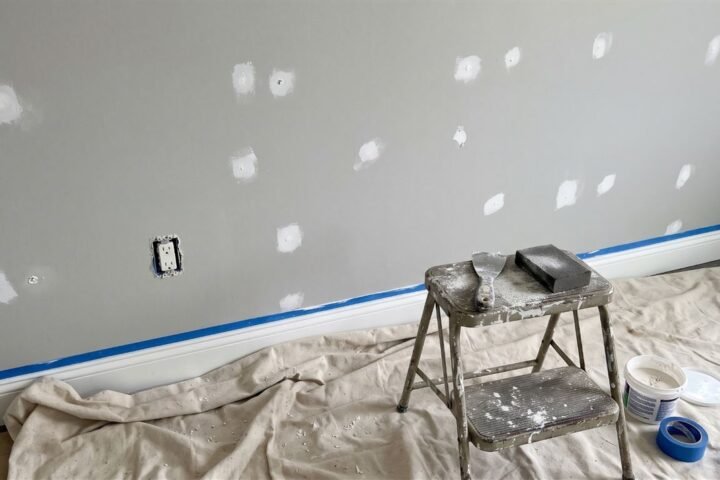
Use it in living rooms, hallways, family rooms and most bedrooms where kids or pets live. It is the sensible middle when you can’t decide. Where it struggles is a wall with deep patching. Skim-coated patches often show as dull or shiny squares under eggshell. Our guide to how to paint a room covers priming those spots so the sheen matches.
Satin: Tough Enough for Busy Rooms
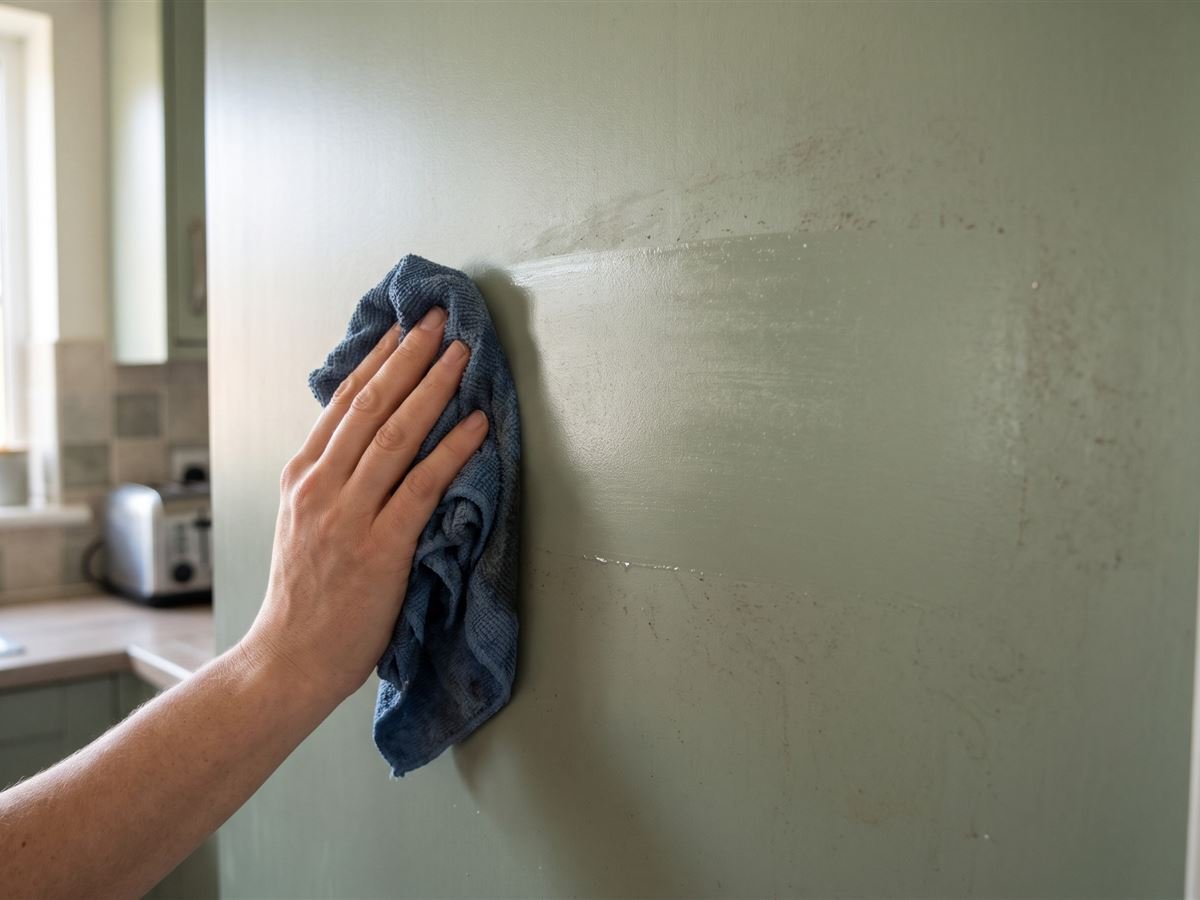
Satin sits between eggshell and semi-gloss. It has a visible sheen that catches window light, and it takes real washing. Food splatter, crayon, hand marks and steam residue come off with a damp cloth and mild soap.
That toughness has a price. Satin exposes blemishes, so rough walls look rougher and roller lap marks stay visible. Sand, fill and prime first. If you skip that, the paint will show the work you didn’t do.
Satin is a good fit for kitchens, bathrooms, laundry rooms, kids’ bedrooms and hallways with heavy traffic. It also works on cabinets and interior trim when you want a softer look than semi-gloss.
Semi-Gloss: The Trim and Door Finish
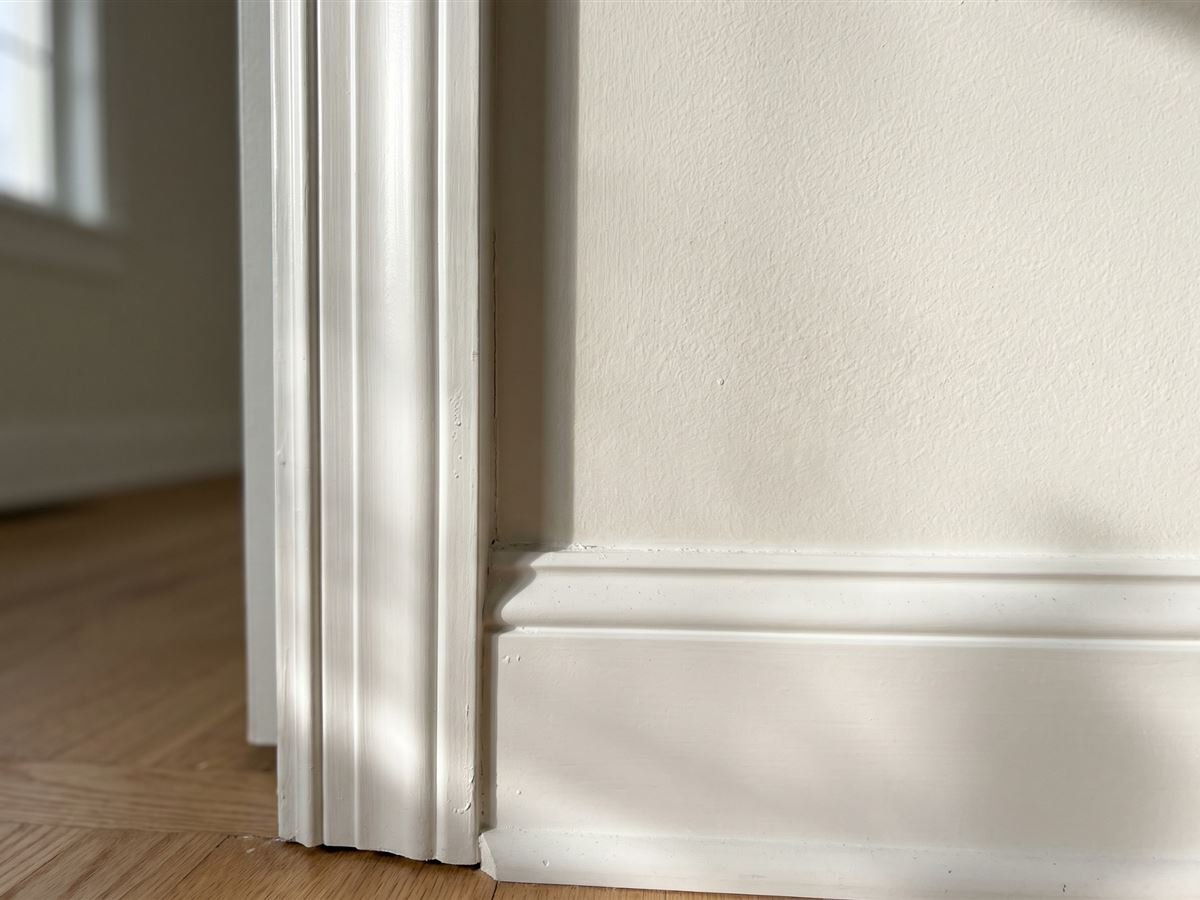
Semi-gloss is shiny enough that you notice it from across the room. It makes a hard, easy-to-clean surface, which is why it is the standard on baseboards, window casings, interior doors and cabinets. Dirt wipes off, and a scuffed baseboard can be cleaned instead of repainted.
Used on a large wall, it looks like plastic and reflects every dent. Keep it to trim, doors and surfaces that get grabbed or kicked. Sherwin-Williams also suggests glossier trim against a flatter wall. The contrast adds depth without changing the wall color.
Gloss: Small Accents Only
Gloss is the shiniest of the common paint finishes. It is the hardest and the most stain resistant, and it is also the least forgiving to apply. Brush marks, dust and drips stay visible while it dries.
Reserve it for a front door, an ornate piece of trim, a furniture piece or a railing. In a sunny room, a lot of gloss can bounce glare back at you. Sherwin-Williams warns about that mirror-like effect near plenty of natural light.
Best Paint Finishes by Room
Use this table as a starting point, then adjust for your walls and your household. A steamy bathroom and a dry guest bedroom do not need the same thing, even if the color matches.
| Room or surface | Start with | Why |
|---|---|---|
| Ceilings | Flat | Hides texture and roller marks |
| Bedrooms | Matte or eggshell | Soft look, low traffic |
| Living room, hallway | Eggshell | Wipes clean, still forgiving |
| Kitchen | Satin | Handles grease and splashes |
| Bathroom walls | Satin | Stands up to steam and washing |
| Kids’ room | Satin or eggshell | Takes crayon and scrubbing |
| Trim, doors, cabinets | Semi-gloss or satin | Hard, cleanable surface |
Choosing paint finishes for bathrooms and kitchens
Sources split on bathroom walls, with some saying satin and others semi-gloss. Satin is the safer pick on walls because semi-gloss exaggerates every wall flaw. Ceilings take the most direct steam, so some painters use a mildew-resistant satin or eggshell overhead.
The finish does not fix a moisture problem. The EPA says to keep indoor humidity below 60 percent, ideally 30 to 50 percent, and to run the bathroom fan or open a window during showers. It also says wet materials should dry within 24 to 48 hours. If a ceiling stain keeps coming back, fix the source first, then follow our steps for repairing minor ceiling water damage. For background on moisture limits, read the EPA’s brief guide to mold and moisture.
Where Most People Get Paint Finishes Wrong
The biggest mistake is choosing by cleanability alone. People buy satin for a bedroom because it sounds durable, then spend a weekend staring at every drywall seam. Match the finish to the wall you have, not the wall you wish you had.
The second mistake is mixing sheens within one wall. If you patch a satin wall with a flat touch-up, the repair shows as a dull square, called flashing, when light crosses it. Keep the original can and use the same sheen for repairs.
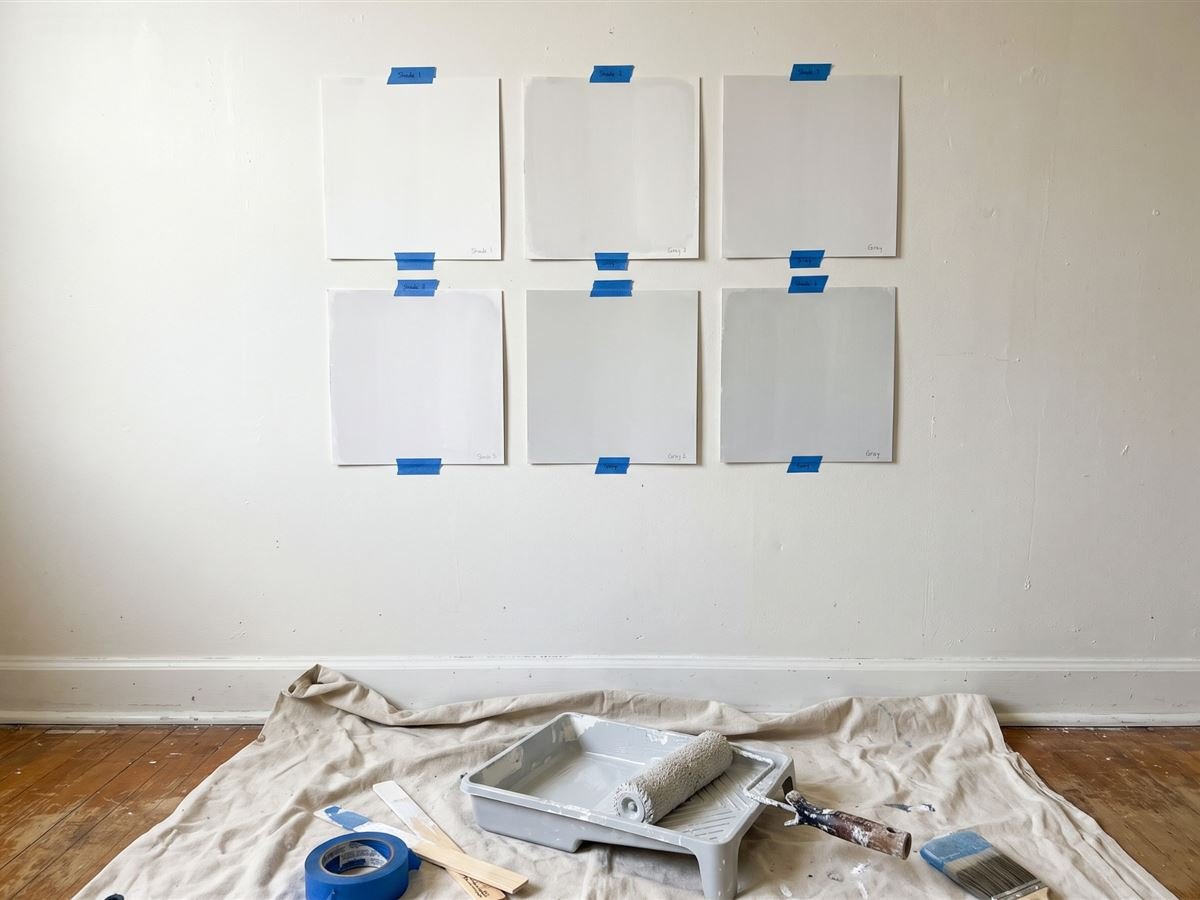
A third is judging from the chip. A small card cannot show how a sheen behaves across a big wall. Before you commit, test your colors on a large board or a patch of wall.
How to test paint finishes before you buy
Buy a sample pot of your color in two sheens. Paint each on a 2-foot square of poster board, two coats, and let them dry fully. Tape the boards at eye level on the wall you plan to paint.
Look at them in morning light, afternoon light and under lamps at night. Tilt your head and look along the wall. The sheen you can’t stop noticing is the wrong one. This takes under an hour of work plus drying time, and it is cheaper than repainting a room.
Safety Note: Older Paint Before You Sand
Glossy trim is where this comes up most, because people sand it to help new paint stick. The EPA’s renovation, repair and painting rule explains the requirements. Do the testing before you start sanding.
Common Questions About Paint Finishes
What is the best paint finish for walls?
Eggshell is the most common choice for walls because it hides ordinary flaws and still wipes clean. Use matte in low-traffic bedrooms and satin in kitchens, bathrooms and kids’ rooms.
Is matte or eggshell better?
Matte hides flaws better, while eggshell cleans better. Pick matte for bedrooms and rough walls. Pick eggshell for hallways and family rooms where hands touch the wall often.
What is the best paint finish for a bathroom?
Satin is the usual pick for bathroom walls because it handles steam and washing without exaggerating flaws. Semi-gloss works on trim. Good ventilation matters more than the sheen.
Can you use different finishes in the same room?
Yes. Flat on the ceiling, eggshell or satin on walls, and semi-gloss on trim is the standard combination. Keep each surface to one finish so the sheen looks consistent.
Does a higher sheen make a color look different?
Yes. According to Sherwin-Williams, a flatter finish makes a color look darker, and a higher sheen makes the same color look lighter. Test the color in the sheen you plan to use.
Pick One Finish and Test It on Your Wall
The simple rule for paint finishes: go flatter for bad walls and ceilings, shinier for steam, hands and trim. If you are stuck between two, buy samples and look at them for a day. Once you’ve chosen, use our room painting guide for prep and application. Bookmark this page for the next time you stand in the aisle.
Check the can for the brand’s own sheen wording, since each company defines its levels a little differently. For official background on how gloss is measured, see Sherwin-Williams on gloss and sheen.