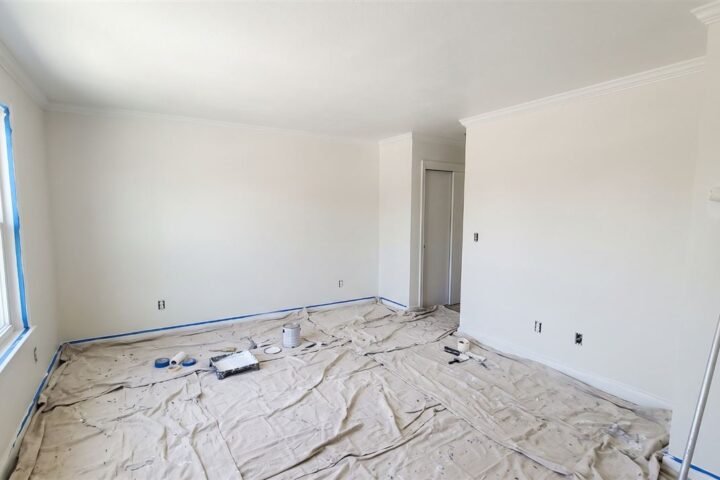
You painted the small bedroom white to open it up, and somehow it feels grayer and tighter than before. That’s the most common letdown with paint, and it has a simple cause. What colors make a room appear larger depends less on the color name and more on light: how much the paint reflects, and where your windows face.
This guide gives you a way to pick, not a mood board. You’ll learn to read the light reflectance number on a paint chip and match it to your window direction. Then you’ll handle trim and ceilings so the edges of the room fade. Testing takes an afternoon and a few sample pots, and renters can use the same method on one wall.
Why Some Colors Make a Room Appear Larger
Your eye judges room size from two things: brightness and edges. A bright room with soft, low-contrast edges reads as bigger. Give a dim room sharp lines between walls, trim and ceiling, and it reads as a box you can measure.
Paint brands put a number on brightness. It’s called Light Reflectance Value, or LRV. The Sherwin-Williams guide to color by room orientation explains that the scale runs from 0 to 100.
- High LRV (light colors): reflect more of the daylight and lamp light you already have, so the room feels open.
- Middle LRV: can still work in a bright room, but they start to feel heavier in a dim one.
- Low LRV (deep colors): absorb light. They only enlarge a room in one special case, covered below.
You’ll find the LRV on the back of most fan decks and on the color’s page on the brand’s website. Two colors can look alike in the store and still sit far apart on that scale. A quick check of the number saves a repaint.
Renoverra tool
Paint & Primer Calculator
Measure the room once and get gallons of paint and primer, with doors, windows and coats taken into account.
How this is calculated
- Wall area = room perimeter x wall height, minus about 21 sq ft per door and 15 sq ft per window.
- Coverage is set to 350 sq ft per gallon per coat for paint and 300 for primer. Textured or bare surfaces use more.
- Primer is suggested for bare drywall and for big color changes (dark to light).
- Results round up to the nearest quart so you don't run short mid-wall.
Which Colors Make a Room Appear Larger in Your Light
Here’s where most people get this wrong. They pick a white under bright store lights, then put it in a north-facing bedroom. North light is cool and soft, so a plain bright white turns flat and gray.
Stand in the room and check which way the main window faces. A phone compass app does the job in a few seconds. Then use this table.
| Window faces | What the light does | What to pick |
|---|---|---|
| North | Soft, steady and cool all day | Higher LRV, warm undertone |
| South | Bright, warm and golden | Most light colors; cooler or muted shades |
| East | Warm in the morning, cooler later | Pick for when you use the room most |
| West | Cool in the morning, golden in the evening | Gray-leaning neutrals |
Sherwin-Williams advises avoiding cool undertones in north-facing rooms and choosing warm neutrals instead. Benjamin Moore’s north-facing room color advice points the same way. It suggests a clean white with a hint of yellow, or neutrals with soft yellow undertones.
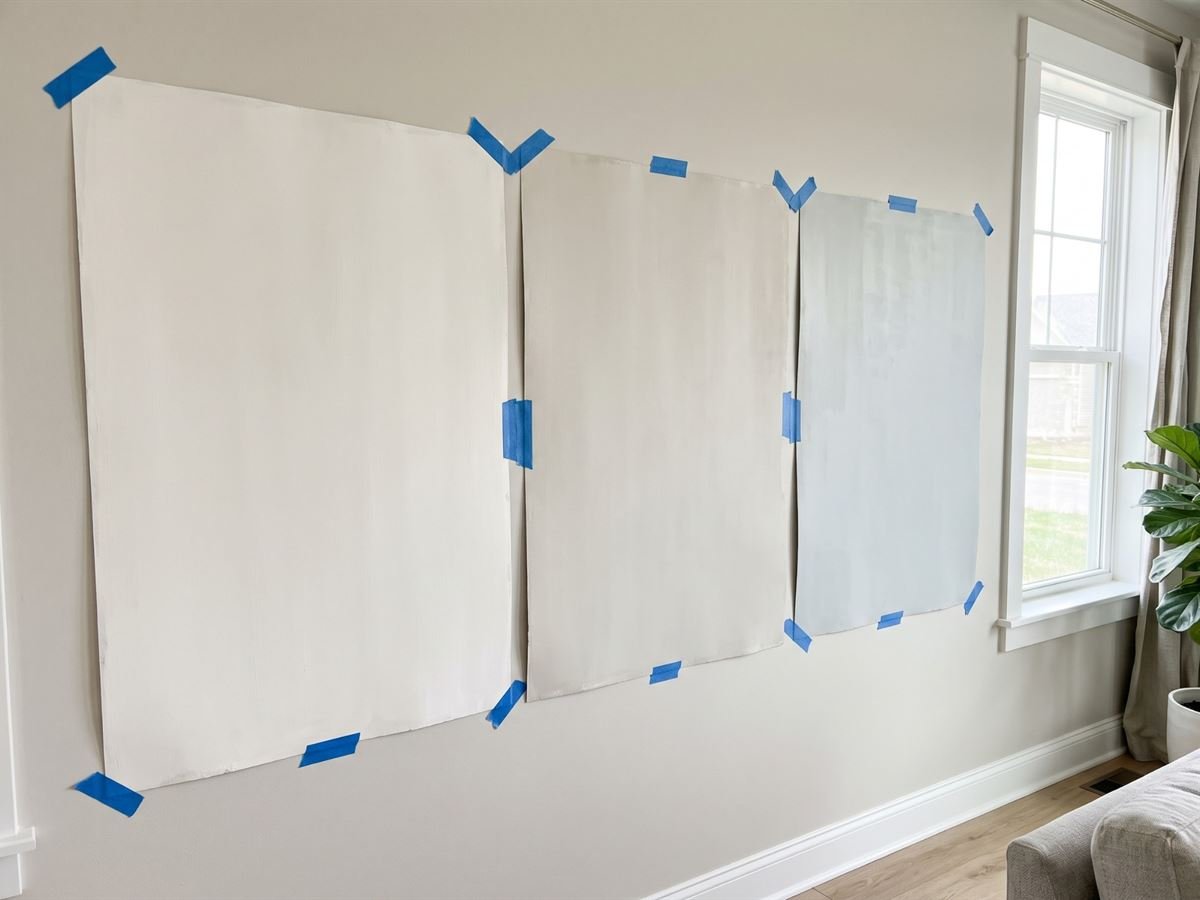
6 Colors That Make a Room Appear Larger
These are color families, not brand names. Every brand has several shades in each one. Use the family to narrow the fan deck, then pick by LRV and undertone.
1. Soft Warm White
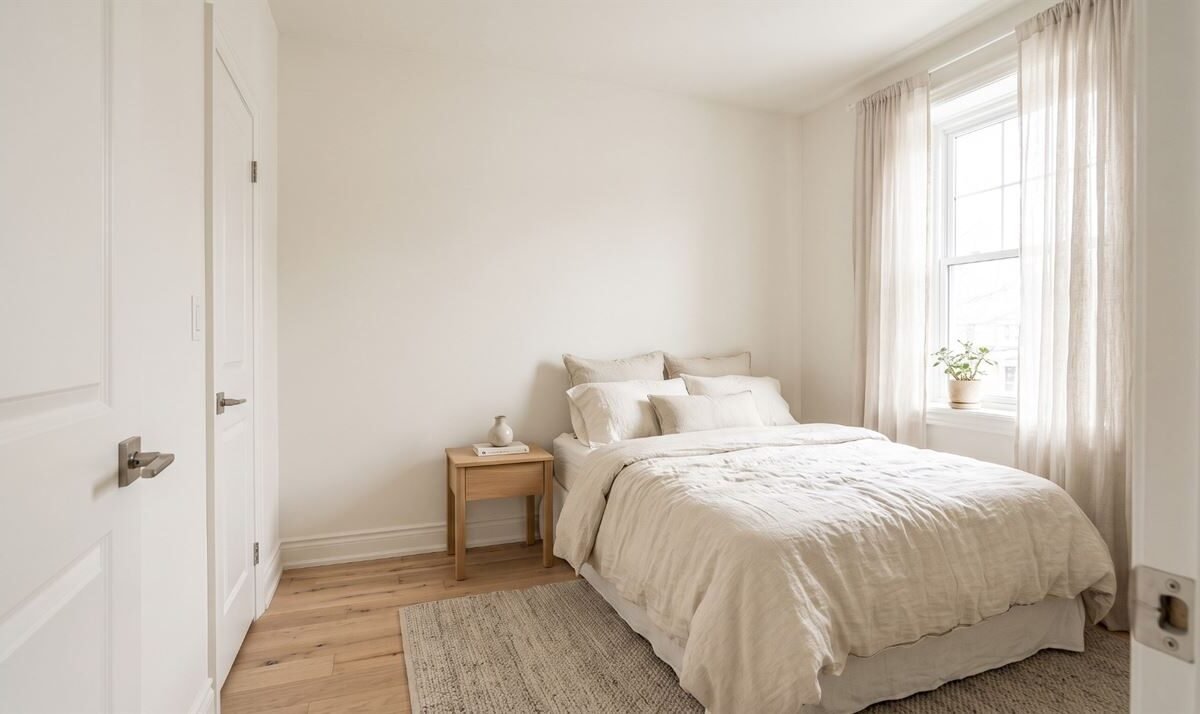
This is the safest choice for small, dim rooms. A white with a touch of yellow or cream keeps its glow in north light instead of turning gray. Pick one near the top of the LRV scale.
The mistake is choosing the brightest, bluest white on the rack. In weak light it looks like cold primer. Hold your sample next to printer paper, and if the paint looks dingy, try a warmer white.
2. Pale Greige
Greige is a gray with a beige base. It hides scuffs better than white and still reflects plenty of light in a pale version. Living rooms and hallways suit it best, especially where white feels too stark.
Watch the undertone. Some greiges lean green or violet once they’re on four walls. A large sample board shows this far better than a chip.
3. Light Gray-Blue
Cool, airy blues seem to recede, which pushes the walls back visually. They work best in south- and west-facing rooms that get plenty of warm light. In a north room they can feel chilly, so add warmth with wood tones.
Keep it pale and slightly grayed. A bright sky blue tends to look loud on all four walls of a small room.
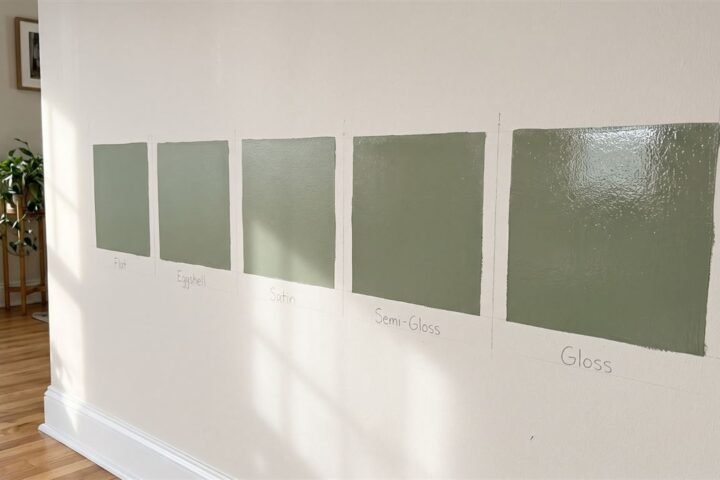
4. Soft Sage or Muted Pale Green
Green borrows from the view outside. A muted pale version reads calm instead of busy, which suits bedrooms and bathrooms. Choose a grayed sage over a minty green, which can look sharp under LED bulbs.
5. Pale Warm Neutral (Cream, Oatmeal, Light Beige)
These shades make a cramped north-facing room feel sunnier. They pair well with wood floors and warm lamp light. Pick a light one, because mid-tone beige darkens a small space faster than people expect.
6. One Deep Color, Used Everywhere
This is the exception to the light-color rule. Think of a powder room or box room with almost no daylight. A deep color on walls, trim and ceiling can blur the corners until you can’t tell where the room ends.
The space feels cozy rather than cramped. It only works when nothing contrasts. One dark accent wall next to bright white trim does the opposite, because it draws a frame around the room.
Trim and Ceiling Colors That Make a Room Appear Larger
Most small-room advice stops at “paint it light.” The bigger win is lowering contrast. Every white line of trim, door casing and baseboard outlines the room, and your eye uses those lines to measure it.
So what colors make a room appear larger at the edges? The answer is the wall color itself, carried onto the surfaces around it.
- Trim the same color as the walls: use the wall color in a satin or semi-gloss sheen. The sheen change adds durability without a hard line.
- Ceiling the same color, or lighter: a pale wall color on the ceiling blurs the top edge, so the ceiling seems higher.
- Doors and built-ins to match: a door painted like the wall disappears instead of breaking it into pieces.
- Curtains close to the wall color: they stop reading as a block, and the window seems wider.
Sheen matters too. A higher sheen reflects a little more light but shows every dent and patch. Check the trade-offs in our guide to paint finishes before you buy.
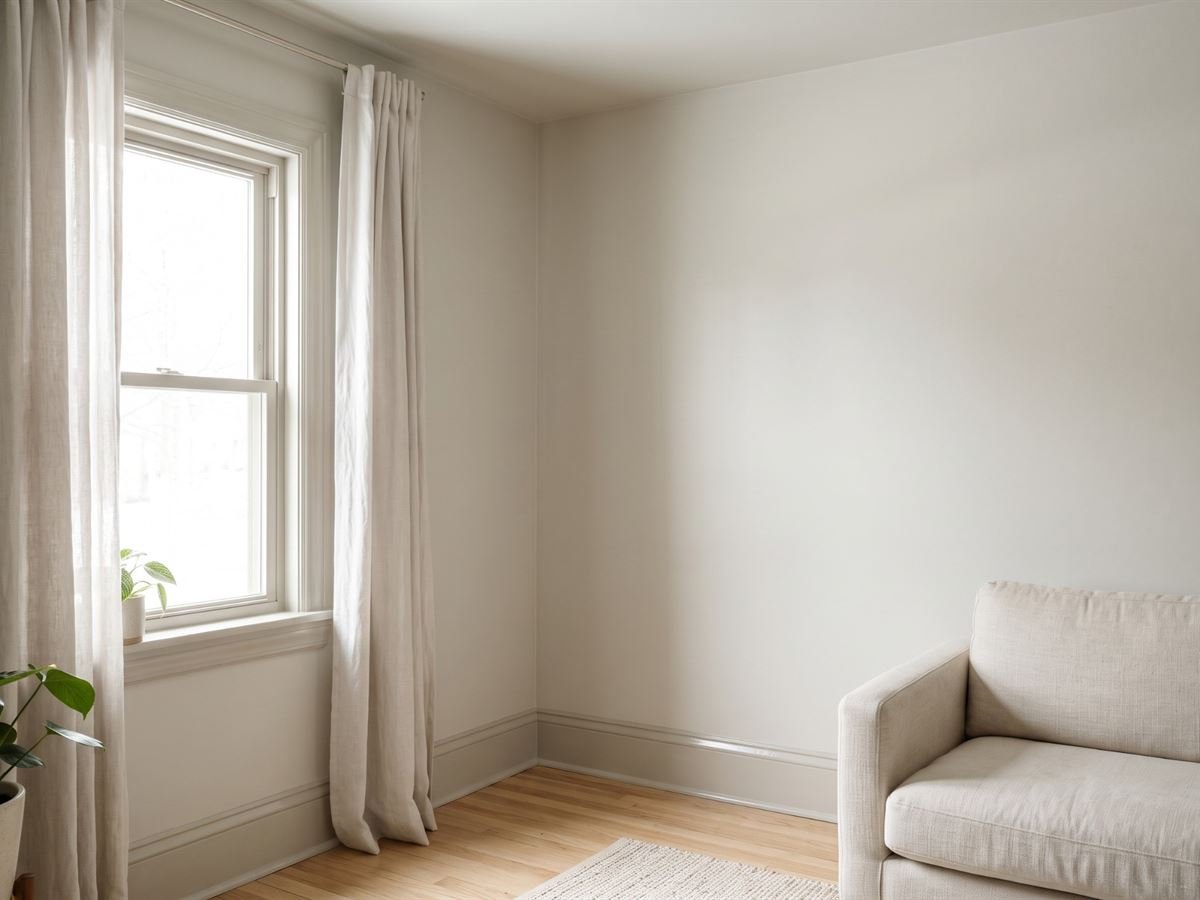
Colors That Make a Small Room Look Smaller
Knowing what colors make a room appear larger is half the job. Some choices shrink a room even when they look good on a chip.
- Stark, cool bright white in a north-facing room. It turns gray and flat.
- Mid-tone beige or gray in a dim room. It absorbs light without the cozy blur of a true deep color.
- A dark accent wall with white trim. The contrast frames the room and makes its size obvious.
- Busy color changes between walls, ceiling and trim. Each change adds an edge.
- Strong warm colors in a hot, south-facing room. They can feel heavy and close.
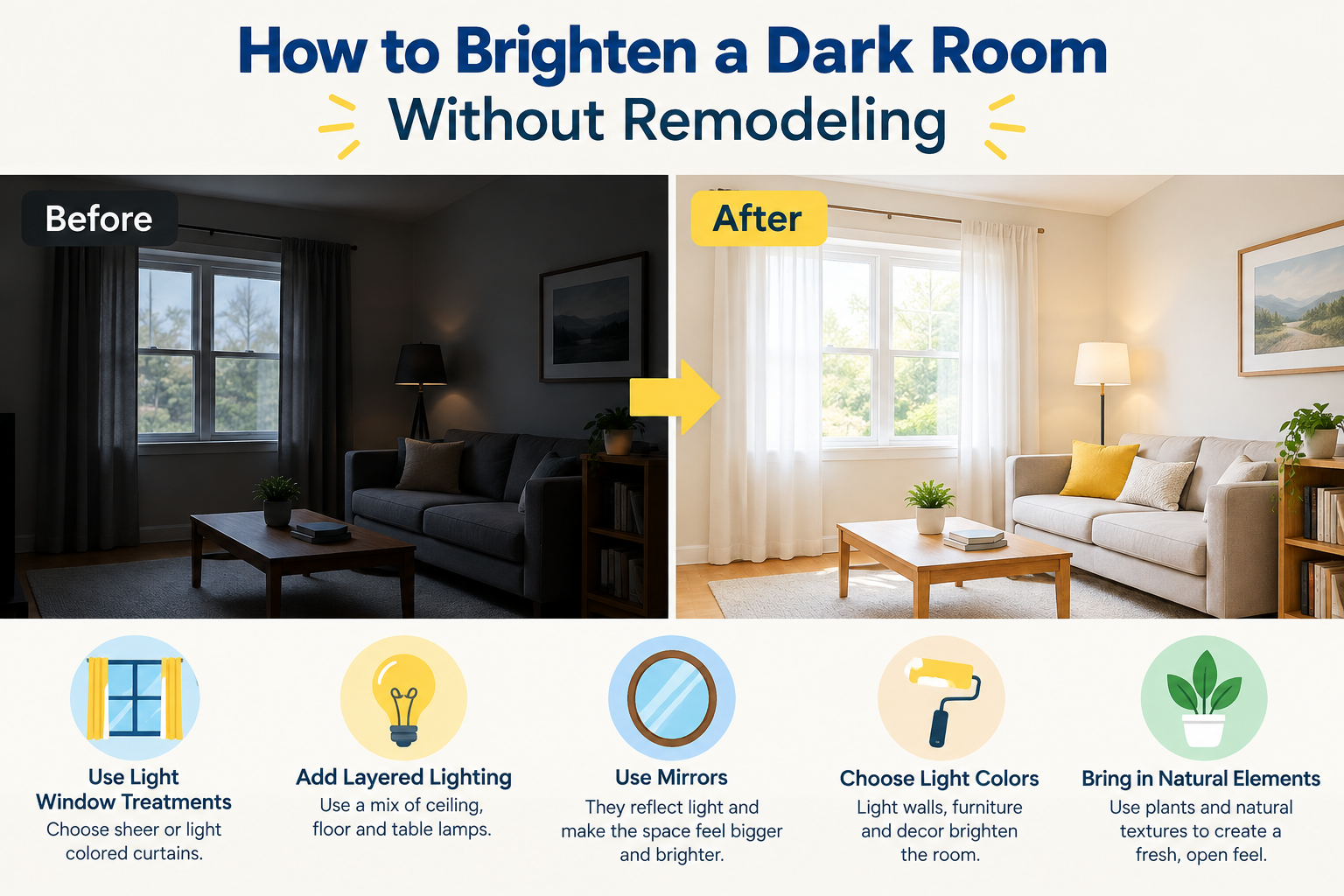
Paint can’t fix every cause of a cramped room. Furniture scale, clutter and lighting play a big part, and our guide on making a small home feel spacious covers those. If the room is simply dark, start with our tips to brighten a dark room before choosing paint.
How to Test Which Colors Make a Room Appear Larger
A tiny chip can fool you. Large boards in your own light show which colors make a room appear larger in your space.
Step 1: Shortlist Two or Three Colors
Use the window table to choose a family and undertone. Then pick two or three shades with a high LRV. Fewer options make the decision easier.
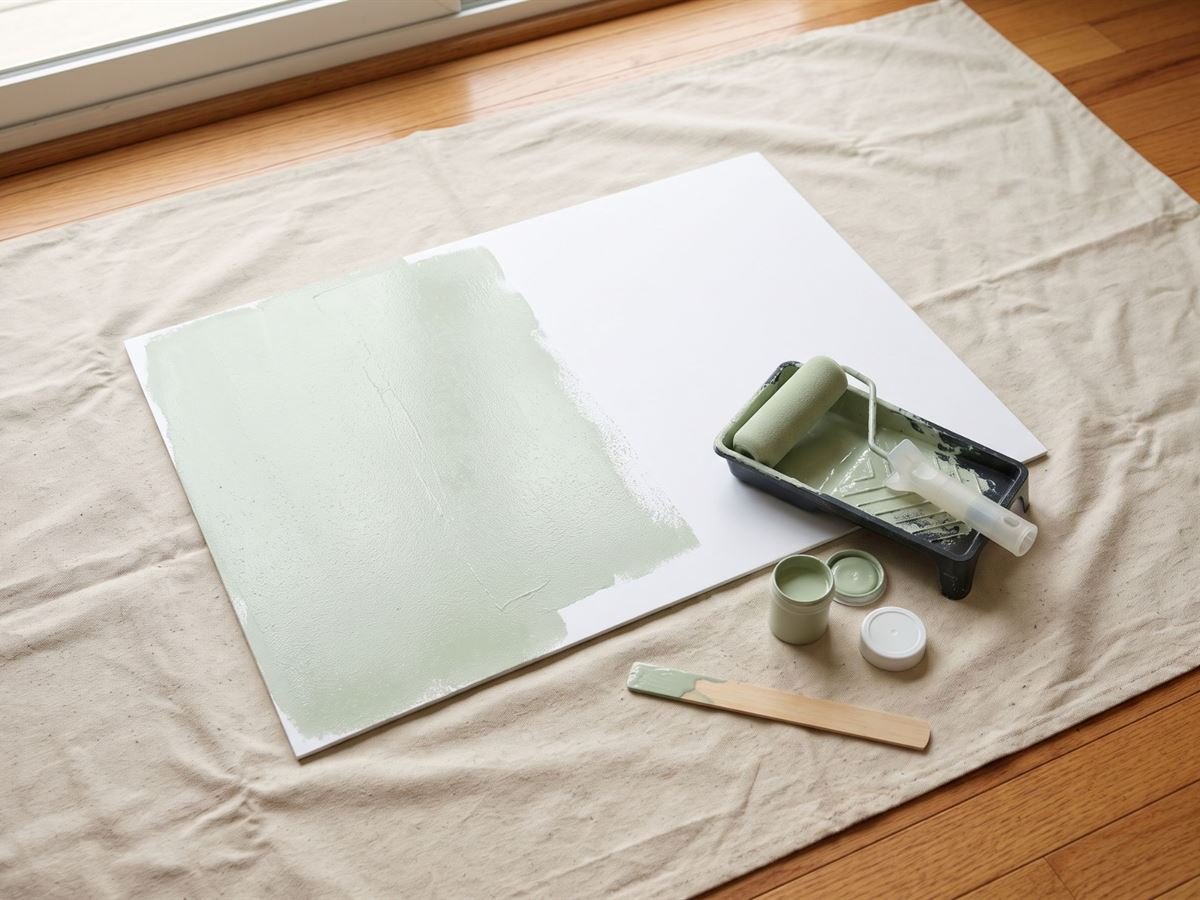
Step 2: Paint Large Sample Boards
Roll two coats of each sample onto white poster board, roughly 12 by 18 inches or bigger. Leave a white border to compare against. Painting samples straight onto a colored wall skews what you see.
Step 3: Check Them at Three Times of Day
Tape the boards to the darkest wall and to the wall facing the window. Look in the morning, mid-afternoon and evening with the lamps on. The color should look good under your bulbs at night, too.
Step 4: Hold Them Next to Trim, Floor and Furniture
Undertones show up next to other surfaces. Put each board beside the floor, the sofa and the trim. The winner looks clean and light against all of them.
Step 5: Prep, Then Paint
Pale paint shows patches and stains, so patch, clean and prime where needed. Then use the paint calculator to buy enough for walls, trim and ceiling.
Renter Tips: Colors That Make a Room Appear Larger
Can’t repaint everything? You can still borrow the same ideas.
- Ask your landlord about one light, high-LRV color for the main wall. Many will say yes to a neutral.
- Match curtains, throws and bedding to the wall color to cut contrast.
- Use a large light rug to cover a dark floor and bounce more light into the room.
- Choose light, low-contrast furniture over a dark piece that anchors a corner.
FAQ
What color makes a small room look bigger?
Light colors with a high LRV make a small room look bigger. Good picks are soft warm white, pale greige, light gray-blue and muted pale green. Match the undertone to your light, and paint trim in the same color to hide the edges.
Does a dark color make a room look smaller?
Usually, yes, because dark colors absorb light. The exception is a small, dim room in one deep color on walls, trim and ceiling. That blurs the corners and makes the edges hard to see.
Is white the best color to make a room look bigger?
Not always. A warm white works well, but a stark, cool white can look gray and flat in a north-facing room. Test a warm white and a pale greige side by side before you decide.
Should the ceiling be lighter than the walls?
A ceiling that is the same color or lighter than the walls feels higher. Paint it darker and the room feels lower. Carrying a pale wall color onto the ceiling is a simple way to blur the top edge.
Pick by Light, Then Lose the Edges
So what colors make a room appear larger? Light, high-LRV shades with an undertone that suits your window direction. Then cut the contrast on trim and ceiling, which does more than any single “magic” shade.
Test on large boards first, because your light decides how any paint looks. If your house is older, check for lead before you sand. Bookmark this guide for your next room, and run the paint calculator before your store trip.